Bill · H.R. 4548· House(119-HR-4548)
Small Nonprofit Retirement Security Act of 2025
- Introduced
- 7/21/2025
- Last activity
- 7/21/2025 — Referred to the House Committee on Ways and Means.
- Sponsored by
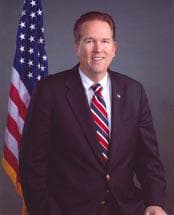
- Vern Buchanan
- Cosponsors
- - 3 - 8
- Introduced
- In Committee
What this bill would do
The Small Nonprofit Retirement Security Act of 2025 aims to amend the Internal Revenue Code of 1986. It seeks to make specific retirement credits available to tax-exempt eligible small employers. These include the credit for small employer pension plan startup costs and the retirement auto-enrollment credit. The bill modifies how these credits are treated for tax-exempt employers. It also establishes rules for payroll tax credits. Finally, it addresses the transfer of funds to specific trust funds.
Yes· 3 of 7
Does this cut taxes for small businesses?+5
The bill makes pension startup and auto-enrollment credits available to tax-exempt small employers.
Does this make the government pay for what it commits to?+5
The bill appropriates funds from the general fund to replenish the Social Security trust funds to offset revenue reductions.
Does this make it easier to run a small business?+5
Tax-exempt small employers gain access to specific retirement-related tax credits.
The opposite
No question was scored the opposite.
Who it would affect, and how
Potential Positive Impacts for People
-
Access to Retirement Credits for Tax-Exempt Employers: The bill amends Section 45E and Section 45T to make the credit for small employer pension plan startup costs and the retirement auto-enrollment credit available to tax-exempt eligible employers (Section 2(a) and 2(b)). This allows these specific employers to access credits that were previously unavailable to them.
-
Payroll Tax Credits: The bill amends Section 3111 to allow a credit against the tax imposed by subsection (a) for calendar quarters in an applicable year for certain tax-exempt employers (Section 2(c)).
-
Funding for Social Security Trust Funds: The bill appropriates amounts to the Federal Old-Age and Survivors Trust Fund and the Federal Disability Insurance Trust Fund equal to the reduction in revenues caused by these amendments (Section 2(e)). This ensures these funds are replenished from the general fund.
Potential Negative Impacts for People
- Credit Limitations: For tax-exempt eligible employers, the credit amount is limited to the lesser of the credit determined under the specific section or the amount of payroll tax paid by the employer during the calendar year (Section 2(a) and 2(b)). Additionally, the aggregate amount of the credit allowed under subsection (g) cannot exceed the amount of the tax imposed by subsection (a) on wages paid (Section 2(c)).
Groups and Interests Ranking
Every group the model scored this bill for, from -10 to +10. Hover a score for the reason it gave.
- Economy And Finance
- Improves Fiscal Responsibility+5Improves Small Business Support+5Reduces Small Business Taxes+5
- Demographic And Interest Groups
- Good For Business Owners+5Good For Retirees+3Good For Seniors+3
- Social Issues And Justice
- Improves Social Security+3
- 6/23/2026
- 1 Cosponsor added.
- 6/2/2026
- 1 Cosponsor added.
- 5/21/2026
- 1 Cosponsor added.
- 4/9/2026
- 1 Cosponsor added.
- 12/19/2025
- 1 Cosponsor added.
- 12/9/2025
- 1 Cosponsor added.
- 9/23/2025
- 1 Cosponsor added.
- 8/15/2025
- 1 Cosponsor added.
- 7/21/2025
- Referred to the House Committee on Ways and Means.
- 3 Cosponsors added.
- Introduced in House
One bill Congress.gov lists as related to this one — companions in the other chamber, earlier versions, and bills this one absorbed or was folded into.
 Janelle Bynum
Democrat · Oregon
 Salud Carbajal
Democrat · California
 Darin LaHood
Republican · Illinois
 Greg Landsman
Democrat · Ohio
 Blake Moore
Republican · Utah
 Sarah McBride
Democrat · Delaware
 Jimmy Panetta
Democrat · California
 Bradley Schneider
Democrat · Illinois
 W. Steube
Republican · Florida
 Lauren Underwood
Democrat · Illinois
 Eugene Vindman
Democrat · Virginia