Bill · H.R. 4485· House(119-HR-4485)
Climate-Friendly Food Label Task Force Act
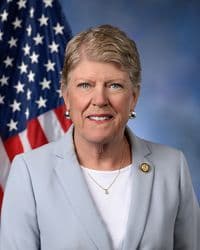
- Introduced
- 7/17/2025
- Last activity
- 7/17/2025 — Referred to the House Committee on Agriculture.
- Sponsored by
- Julia Brownley
- Cosponsors
- None
- Introduced
- In Committee
What this bill would do
This bill, known as the "Climate-Friendly Food Label Task Force Act," proposes the creation of an advisory panel to study a potential climate-friendly certification for agricultural products. The panel would consist of various experts, including scientists, industry representatives, and members from federal agencies like the EPA and FDA. The primary goal is to develop recommendations for a certification that encourages reducing greenhouse gas emissions through market-based approaches. The panel must submit a report to the Secretary of Agriculture and Congress within one year of the Act's enactment. This report should include how to measure emissions, water usage, and land use. Finally, the Secretary is prohibited from issuing any climate-friendly certifications or advertisements until this report is submitted.
Yes· 3 of 13
Does this cut the pollution that drives climate change?+5
The bill seeks to incentivize agricultural practices that reduce greenhouse gas emissions.
Does this better protect air, water and wildlife?+4
The study focuses on managing land use and water usage to mitigate climate impact.
Would farmers be better off under this?+4
The bill explicitly aims to create economic benefits and higher revenues for farmers through new certifications.
The opposite
No question was scored the opposite.
Who it would affect, and how
Potential Positive Impacts for People
-
Economic Benefits for Farmers and Workers: The bill notes that voluntary, market-based approaches similar to the USDA Organic model can create economic benefits such as jobs and higher revenues for farmers (Section 2, subsection 5 and 6).
-
Consumer Choice and Education: The proposed certification aims to use market-based approaches that allow for greater consumer choice and education regarding agricultural products (Section 3, subsection c, 1, B).
-
Environmental Protection: By moving producers toward reducing greenhouse gas emissions on a lifecycle basis, the study aims to address the 10 percent of U.S. greenhouse gas emissions that come from the agricultural sector (Section 2, subsection 1 and 3, subsection c, 1, A).
Potential Negative Impacts for People
- Restrictions on Certification and Advertising: The Secretary of Agriculture is prohibited from issuing any regulations, guidance, or certifications regarding climate-friendly agricultural products until the advisory panel's report is submitted to Congress (Section 3, subsection e).
Groups and Interests Ranking
Every group the model scored this bill for, from -10 to +10. Hover a score for the reason it gave.
- Environment Energy And Infrastructure
- Reduces Carbon Emissions+5Improves Environmental Protections+4Improves Rural Development+2
- Economy And Finance
- Improves Consumer Protection+3Increases Job Creation+3Improves Economic Growth+2Improves Small Business Support+2
- Demographic And Interest Groups
- Good For Farmers+4Good For Business Owners+2Good For Rural Residents+2
- Governance And Ideology
- Improves Government Transparency+3Increases Federal Power+1
- Education And Technology
- Increases Scientific Research Funding+2
- 7/17/2025
- Referred to the House Committee on Agriculture.
- Introduced in House