Bill · H.R. 4483· House(119-HR-4483)
State Accountability for Federal Deployment Costs Act of 2025
- Introduced
- 7/17/2025
- Last activity
- 7/17/2025 — Referred to the Committee on the Judiciary, and in addition to the Committees on Oversight and Government Reform, and Armed Services, for a period to be subsequently determined by the Speaker, in each case for consideration of such provisions as fall within the jurisdiction of the committee concerned.
- Sponsored by
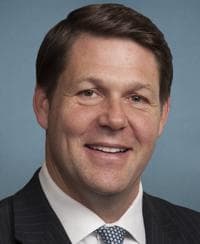
- Jodey Arrington
- Cosponsors
- - 7 - 0
- Introduced
- In Committee
What this bill would do
This bill, known as the "State Accountability for Federal Deployment Costs Act of 2025," focuses on the reimbursement of military deployment costs. It requires States to pay the Federal Government back for expenses incurred when military forces are deployed due to civil disturbances or security threats. These threats must result from a State's refusal to cooperate with or its obstruction of lawful Federal immigration enforcement. The Secretary of Defense would invoice Governors for these costs, which include travel, lodging, and transportation. If a State fails to pay, the President may rescind discretionary Federal grants to the State.
Yes
Does this give the federal government more power?+7
The bill significantly expands federal authority by allowing the President to withhold discretionary grants from states that do not comply with federal immigration enforcement.
Does this tighten control of the border?+5
The bill incentivizes state cooperation with federal immigration enforcement, which may bolster border-related security operations.
Does this make the government pay for what it commits to?+1
The bill aims to shift specific deployment costs from the federal taxpayer to states that obstruct immigration enforcement.
The opposite
Does this leave more decisions to the states?-6
The bill diminishes state autonomy by imposing mandatory reimbursements and the threat of lost federal funding for non-cooperation with federal mandates.
Would immigrants be better off under this?-3
Increased enforcement pressures and military deployments may negatively impact immigrant communities.
Who it would affect, and how
Potential Positive Impacts for People
- Taxpayer Protections: The bill aims to ensure that States and local governments, rather than the Department of Defense and United States taxpayers, bear the costs created by their own noncompliance or obstruction of immigration enforcement actions (Section 2, paragraph 4).
Potential Negative Impacts for People
-
Financial Burden on States: States and units of local government may be required to pay for substantial costs, including temporary duty travel, per diem, housing, lodging, meals, and transportation for Federal military personnel (Section 3, subsection b).
-
Loss of Federal Funding: If a State fails to pay the required reimbursement within 180 days, the President may rescind one or more discretionary grants awarded to that State (Section 3, subsection d).
Groups and Interests Ranking
Every group the model scored this bill for, from -10 to +10. Hover a score for the reason it gave.
- Social Issues And Justice
- Improves Border Security+5
- Demographic And Interest Groups
- Good For Immigrants-3
- Economy And Finance
- Improves Fiscal Responsibility+1
- Governance And Ideology
- Increases Federal Power+7Increase States Rights-6
- 3/26/2026
- 1 Cosponsor added.
- 8/15/2025
- 1 Cosponsor added.
- 7/29/2025
- 2 Cosponsors added.
- 7/17/2025
- Referred to the Committee on the Judiciary, and in addition to the Committees on Oversight and Government Reform, and Armed Services, for a period to be subsequently determined by the Speaker, in each case for consideration of such provisions as fall within the jurisdiction of the committee concerned.
- 3 Cosponsors added.
- Introduced in House
One bill Congress.gov lists as related to this one — companions in the other chamber, earlier versions, and bills this one absorbed or was folded into.
 Josh Brecheen
Republican · Oklahoma
 Kat Cammack
Republican · Florida
 Pat Fallon
Republican · Texas
 Paul Gosar
Republican · Arizona
 Pat Harrigan
Republican · North Carolina
 John Rose
Republican · Tennessee
 Beth Van Duyne
Republican · Texas