Bill · H.R. 4468· House(119-HR-4468)
Federal Interviews Reform Act
- Introduced
- 7/16/2025
- Last activity
- 7/16/2025 — Referred to the House Committee on the Judiciary.
- Sponsored by
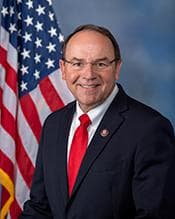
- Thomas Tiffany
- Cosponsors
- - 2 - 0
- Introduced
- In Committee
What this bill would do
This bill, known as the "Federal Interviews Reform Act," requires the recording of interviews conducted by Department of Justice officers or employees. These recordings must use electronic audio or video technology when a person is suspected of a criminal offense. The mandate covers investigations of Federal offenses or cases where the Department is assisting State, local, or tribal agencies. It applies to both custodial and non-custodial interviews, including those involving U.S. citizens outside of the United States. Finally, the bill establishes rules for how long these recordings must be kept.
Yes· 3 of 6
Does this protect the right to fair treatment by the courts?+7
The bill enhances due process by making unrecorded statements inadmissible in federal court.
Does this change how police departments operate?+6
The bill increases accountability by requiring electronic recordings of suspect interviews.
Does this make what the government does easier for the public to see?+5
The requirement for recordings increases transparency regarding law enforcement interview procedures.
The opposite
Does this give the government more power to monitor people inside the country?-2
The mandate for recording interviews could lead to increased levels of government surveillance.
Who it would affect, and how
Potential Positive Impacts for People
-
Evidence Restrictions: Under Section 2(d), any statement or information obtained during an interview that is not recorded according to these rules cannot be used as evidence by the Government in Federal court. This ensures that unrecorded interviews cannot be used against individuals in legal proceedings.
-
Broad Application: According to Section 2(b), the requirements apply to both custodial and non-custodial interviews, as well as interviews of U.S. citizens conducted outside of the United States, providing a wide scope of protection for suspects.
Potential Negative Impacts for People
- Informant Exception: Section 2(b)(1) states that the recording requirements do not apply to communication with a confidential informant, which creates a scenario where interviews are not subject to these rules.
Groups and Interests Ranking
Every group the model scored this bill for, from -10 to +10. Hover a score for the reason it gave.
- Governance And Ideology
- Improves Due Process+7Improves Government Transparency+5Improves Privacy Rights+3Increases Federal Power+3
- Social Issues And Justice
- Improves Policing Reform+6
- Education And Technology
- Improves Data Privacy+4
- National Security And Foreign Policy
- Increases Domestic Surveillance-2
- 7/16/2025
- Referred to the House Committee on the Judiciary.
- 2 Cosponsors added.
- Introduced in House
 Ben Cline
Republican · Virginia
 Troy Nehls
Republican · Texas