Bill · H.R. 4439· House(119-HR-4439)
Unemployment Insurance Modernization and Recession Readiness Act
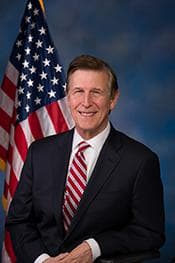
- Introduced
- 7/16/2025
- Last activity
- 7/16/2025 — Referred to the Committee on Ways and Means, and in addition to the Committee on the Budget, for a period to be subsequently determined by the Speaker, in each case for consideration of such provisions as fall within the jurisdiction of the committee concerned.
- Sponsored by
- Donald Beyer
- Cosponsors
- None
- Introduced
- In Committee
What this bill would do
This bill, known as the "Unemployment Insurance Modernization and Recession Readiness Act," aims to modernize unemployment compensation benefits. It seeks to update both extended and regular unemployment systems. The legislation introduces new triggers for extended benefits and adjusts benefit amounts during high unemployment periods. It also establishes a new "jobseeker allowance" for eligible individuals. Additionally, the bill implements floors on the number of weeks of benefits and the replacement of wages.
Yes· 3 of 15
Would households on low incomes be better off under this?+8
The expansion of benefits and new allowances directly supports low-income individuals during unemployment.
Does this increase support for people who lose their jobs?+8
The bill significantly expands and modernizes unemployment compensation through new allowances and higher benefit floors.
Does this make child care cost less?+7
The bill provides a dependents' allowance that can assist with childcare needs.
The opposite
Would business owners be better off under this?-3
The bill imposes potential financial impacts on states that charge employers for experience rating.
Who it would affect, and how
Potential Positive Impacts for People
-
Increased Support During High Unemployment: The bill creates higher tiers of extended benefits that increase as unemployment rates rise (Section 103).
-
Improved Weekly Benefit Calculations: The bill changes the calculation for individual benefit accounts to use the "greatest" rather than the "least" of certain wage amounts (Section 104).
-
Protections for Part-Time Workers: Individuals seeking part-time work will not be denied compensation solely based on the number of hours they are seeking (Section 204).
-
Expanded Reasons for Leaving Work: The bill expands "good cause" separations to include reasons like the illness of a family member, workplace relocation, or the need to care for a child (Section 206).
-
Support for Victims of Violence: Individuals who voluntarily separate from work due to a qualifying act of violence or harassment are not denied compensation (Section 207).
-
Elimination of Waiting Periods: The bill removes the requirement for waiting weeks before compensation is paid (Section 208).
-
Standardized Benefit Floors: The bill establishes a minimum duration of at least 26 weeks for benefits (Section 201) and a floor for the maximum weekly benefit amount based on the State's average weekly wage (Section 203).
-
New Jobseeker Allowances: A new weekly allowance is created for eligible individuals to assist during their job search (Section s 301/3304C).
-
Financial Assistance for Dependents: The bill introduces a dependents' allowance for individuals receiving unemployment compensation (Section 215/3304A).
-
Emergency Compensation: The bill provides for "emergency enhanced unemployment compensation" during declared public health emergencies or major disasters (Section 218/3304B).
Potential Negative Impacts for People
-
Restrictions on Benefits for Employers: States may be ineligible for full federal funding of extended benefits if they assess payments in lieu of employer contributions or charge employers for experience rating (Section 101).
-
Income Disregard Limitations: While certain payments are disregarded as income for federal and state programs, the jobseeker allowance is subject to specific rules regarding earnings and reductions (Section 301/3304C).
-
Potential for Repayment: Individuals who receive emergency enhanced unemployment compensation through fraud or material misrepresentation are required to repay the funds (Section 218/3304B).
Groups and Interests Ranking
Every group the model scored this bill for, from -10 to +10. Hover a score for the reason it gave.
- Demographic And Interest Groups
- Good For Low Income Households+8Good For Students+6Good For Women+6Good For Young Adults+6Good For Children+5Good For Middle Aged+5Good For Middle Class Households+5Good For People With Disabilities+5Good For Union Workers+4Good For Business Owners-3
- Social Issues And Justice
- Improves Childcare Affordability+7Improves Poverty Reduction+7
- Economy And Finance
- Increases Unemployment Benefits+8
- Environment Energy And Infrastructure
- Improves Disaster Relief And F E M A+6
- Healthcare
- Improves Pandemic Preparedness+5
- Governance And Ideology
- Increases Federal Power+4
- 7/16/2025
- Referred to the Committee on Ways and Means, and in addition to the Committee on the Budget, for a period to be subsequently determined by the Speaker, in each case for consideration of such provisions as fall within the jurisdiction of the committee concerned.
- Introduced in House
One bill Congress.gov lists as related to this one — companions in the other chamber, earlier versions, and bills this one absorbed or was folded into.