Bill · H.R. 4408· House(119-HR-4408)
UNITY Act
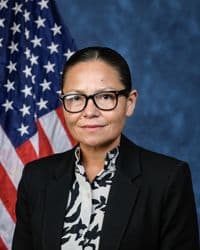
- Introduced
- 7/15/2025
- Last activity
- 7/16/2025 — Referred to the Subcommittee on Economic Development, Public Buildings, and Emergency Management.
- Sponsored by
- Kimberlyn King-Hinds
- Cosponsors
- None
- Introduced
- In Committee
What this bill would do
This bill, known as the "UNITY Act," aims to study how effective disaster response and recovery are in noncontiguous communities. It directs the FEMA Administrator to study hiring, recruitment, and retention practices to improve the disaster workforce in these areas. Additionally, it tasks the Comptroller General with conducting a study on disaster response and recovery practices, focusing on damage from Super Typhoon Yutu. The bill also requires the establishment of a pilot program using new technology for preliminary damage assessments. This program will prioritize the most geographically remote noncontiguous communities.
Yes· 3 of 4
Does this improve help for people hit by a disaster?+5
The bill directly improves FEMA's response, workforce, and damage assessment capabilities in noncontiguous areas.
Would people in rural areas be better off under this?+4
The bill prioritizes remote and noncontiguous communities for better disaster response and technological damage assessment.
Does this invest in rural communities?+3
The bill targets infrastructure and response improvements for remote, noncontiguous communities.
The opposite
No question was scored the opposite.
Who it would affect, and how
Potential Positive Impacts for People
-
Improved Disaster Workforce: The FEMA Administrator is required to study and improve hiring, recruitment, and retention in noncontiguous communities to address staffing shortages (Section 2).
-
Better Coordination of Aid: The Comptroller General will analyze how well Federal agencies coordinate with each other and with State emergency management offices to improve disaster response and recovery (Section 3).
-
Technological Advancements in Damage Assessment: A pilot program will implement new technology to carry out preliminary damage assessments in noncontiguous communities (Section 4).
-
Priority for Remote Areas: The damage assessment pilot program is designed to prioritize the most geographically remote noncontiguous communities (Section 4).
Potential Negative Impacts for People
- No negative impacts or burdens are explicitly identified in the provided text.
Groups and Interests Ranking
Every group the model scored this bill for, from -10 to +10. Hover a score for the reason it gave.
- Environment Energy And Infrastructure
- Improves Disaster Relief And F E M A+5Improves Rural Development+3
- Demographic And Interest Groups
- Good For Rural Residents+4
- Economy And Finance
- Increases Job Creation+2
- 7/16/2025
- Referred to the Subcommittee on Economic Development, Public Buildings, and Emergency Management.
- 7/15/2025
- Referred to the House Committee on Transportation and Infrastructure.
- Introduced in House