Bill · H.R. 4333· House(119-HR-4333)
Qualified to Serve Act
- Introduced
- 7/10/2025
- Last activity
- 7/10/2025 — Referred to the House Committee on Armed Services.
- Sponsored by
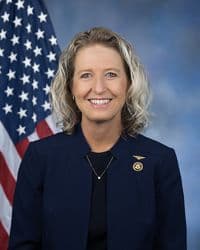
- Jennifer Kiggans
- Cosponsors
- - 7 - 3
- Introduced
- In Committee
What this bill would do
The Qualified to Serve Act aims to amend title 10 of the United States Code regarding medical evaluations for military service. It directs the Secretaries of the military branches to create uniform medical accession standards for both commissioned officers and enlisted members. The bill prohibits disqualification based on a past medical diagnosis if certain specific criteria regarding age, treatment history, and medical evaluation are met. Additionally, it establishes a process for reviewing or waiving medical disqualifications, which can be approved if in the interest of national security. Finally, the Secretary of Defense must submit an annual report to congressional defense committees regarding these medical disqualifications and approvals.
Yes· 3 of 5
Does this make what the government does easier for the public to see?+4
The bill increases transparency by requiring annual reports to congressional defense committees regarding medical disqualifications.
Would people in their twenties and thirties be better off under this?+3
The bill helps young adults seeking military service by preventing disqualification based on childhood medical history.
Would students be better off under this?+3
Prospective service members, often students, benefit from more predictable medical standards.
The opposite
No question was scored the opposite.
Who it would affect, and how
Potential Positive Impacts for People
-
Uniformity and Clarity: The bill requires Secretaries to establish uniform standards for all officers and enlisted members across occupational specialties, which should be made readily available and understandable to potential members (Section 2(a)(1) and (a)(2)).
-
Prevention of Unfair Disqualifications: A person cannot be disqualified solely because of a past medical diagnosis if that diagnosis occurred before they were 13, required no treatment in the five years leading up to their service attempt, and is cleared by a licensed medical professional (Section 2(b)(1)-(3)).
-
Flexibility for National Security: The Secretary concerned has the authority to approve a person's entry into the military despite a disqualifying diagnosis if it serves the interests of national security (Section 2(c)(2)).
-
Increased Accountability: The Secretary of Defense is required to submit an annual report to congressional defense committees detailing the number of people disqualified due to medical history and the number of approvals granted (Section 2(d)).
Potential Negative Impacts for People
- Discretionary Barriers: A person's medical history may still result in disqualification if the Secretary concerned determines that the diagnosis is likely to impact the health and readiness of the Armed Force (Section 2(b)(4)).
Groups and Interests Ranking
Every group the model scored this bill for, from -10 to +10. Hover a score for the reason it gave.
- Demographic And Interest Groups
- Good For Students+3Good For Young Adults+3Good For People With Disabilities+2
- Governance And Ideology
- Improves Government Transparency+4Improves Due Process+2
- 12/9/2025
- 1 Cosponsor added.
- 10/3/2025
- 1 Cosponsor added.
- 8/15/2025
- 1 Cosponsor added.
- 7/14/2025
- 2 Cosponsors added.
- 7/10/2025
- Referred to the House Committee on Armed Services.
- 5 Cosponsors added.
- Introduced in House
 Don Bacon
Republican · Nebraska
 Donald Davis
Democrat · North Carolina
 Brian Fitzpatrick
Republican · Pennsylvania
 Carlos Gimenez
Republican · Florida
 Abraham Hamadeh
Republican · Arizona
 Seth Moulton
Democrat · Massachusetts
 Gregory Murphy
Republican · North Carolina
 Josh Riley
Democrat · New York
 Derek Schmidt
Republican · Kansas
 Robert Wittman
Republican · Virginia