 Bill · H.R. 4232· House(119-HR-4232)
No Tax Dollars for Riots
- Introduced
- 6/27/2025
- Last activity
- 6/27/2025 — Referred to the Committee on Ways and Means, and in addition to the Committee on Oversight and Government Reform, for a period to be subsequently determined by the Speaker, in each case for consideration of such provisions as fall within the jurisdiction of the committee concerned.
- Sponsored by
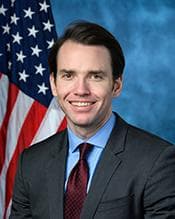
- Kevin Kiley
- Cosponsors
- None
- Introduced
- In Committee
What this bill would do
This bill, titled the "No Tax Dollars for Riots," aims to establish penalties for specific misconduct by nonprofit leaders. It targets officers and board members of entities exempt from taxation under section 501 of the Internal Revenue Code of 1986. If such an individual is convicted of an offense under section 111 or 2101 of title 18, the entity faces consequences. These consequences include the loss of eligibility for federal funding. Additionally, the entity would become ineligible for its tax-exempt status. These penalties apply if the misconduct occurred while the individual was serving in their leadership role.
Yes
Does this give the federal government more power?+2
The bill expands federal authority over the tax-exempt status and funding of nonprofit entities.
Does this make what the government does easier for the public to see?+1
The bill imposes accountability on nonprofit leadership regarding criminal conduct.
Does this make the government pay for what it commits to?+1
The bill aims to ensure federal funds are not provided to entities whose leaders commit specific crimes.
The opposite
Would households on low incomes be better off under this?-2
Nonprofits serving low-income communities could lose essential funding due to leadership misconduct.
Does this reduce what the federal government spends?-2
The bill potentially reduces spending by cutting off federal funds to certain nonprofit entities.
Does this protect the right to fair treatment by the courts?-1
The bill targets entities based on the criminal conviction of an individual, which may impact the organization's due process.
Who it would affect, and how
Potential Positive Impacts for People
-
Limitation on Federal Funding: This provision prevents federal funds from being made available to a nonprofit if an officer or board member is convicted of specific offenses under title 18, section 111 or 2101, provided the conduct happened during their service. (Section 2(a))
-
Limitation on Exemption From Taxation: This provides a consequence where a nonprofit loses its tax-exempt status if an officer or board member is convicted of offenses under section 111 or 2101 of title 18 during their term. (Section 2(b))
Potential Negative Impacts for People
-
Limitation on Federal Funding: This could result in the loss of federal money for a nonprofit entity if an officer or board member is convicted of the specified offenses while serving. (Section 2(a))
-
Limitation on Exemption From Taxation: This could lead to a nonprofit losing its tax-exempt status under section 501 of the Internal Revenue Code of 1986 due to the conviction of a leader for offenses under section 111 or 2101 of title 18. (Section 2(b))
Groups and Interests Ranking
Every group the model scored this bill for, from -10 to +10. Hover a score for the reason it gave.
- Demographic And Interest Groups
- Good For Low Income Households-2
- Governance And Ideology
- Increases Federal Power+2Improves Government Transparency+1Improves Due Process-1
- Economy And Finance
- Improves Fiscal Responsibility+1Reduces Government Spending-2
- 6/27/2025
- Referred to the Committee on Ways and Means, and in addition to the Committee on Oversight and Government Reform, for a period to be subsequently determined by the Speaker, in each case for consideration of such provisions as fall within the jurisdiction of the committee concerned.
- Introduced in House