Bill · H.R. 4207· House(119-HR-4207)
No WHO Pandemic Preparedness Treaty Without Senate Approval Act
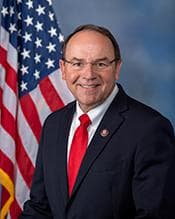
- Introduced
- 6/26/2025
- Last activity
- 6/26/2025 — Referred to the House Committee on Foreign Affairs.
- Sponsored by
- Thomas Tiffany
- Cosponsors
- - 12 - 0
- Introduced
- In Committee
What this bill would do
This bill, known as the "No WHO Pandemic Preparedness Treaty Without Senate Approval Act," aims to change how the United States handles international health agreements. It requires that any convention, agreement, or international instrument regarding pandemic prevention, preparedness, and response reached by the World Health Assembly be treated as a treaty. Because these would be deemed treaties, they would require the advice and consent of the Senate, specifically needing a two-thirds majority for approval. The bill responds to concerns regarding the management of the COVID-19 pandemic by the World Health Organization.
Yes
Does this make what the government does easier for the public to see?+3
Requiring Senate ratification provides greater transparency and legislative oversight regarding international health commitments.
The opposite
Does this make the country readier for the next outbreak?-2
The requirement for a two-thirds Senate majority may hinder the timely adoption of international pandemic response protocols.
Does this give the federal government more power?-2
The bill seeks to increase Senate oversight over international health agreements, potentially limiting executive power in global health diplomacy.
Who it would affect, and how
Potential Positive Impacts for People
-
Increased Oversight of International Agreements: By requiring Senate ratification with a two-thirds vote, the bill ensures that any pandemic-related agreement reached by the World Health Assembly is subject to strict legislative scrutiny (Section 4).
-
Alignment with Public Sentiment: The bill addresses findings that a significant segment of the American public is skeptical of the Worlds Health Organization and its independence (Section 2, Section 3).
-
Support for Taiwan: The policy of the United States expressed in this bill includes unequivocal support for Taiwan's full participation in the World Health Organization (Section 5).
Potential Negative Impacts for People
- Increased Difficulty in Approving International Health Agreements: Because any new pandemic agreement would require a two-thirds vote in the Senate to be implemented, the bill notes that agreements that cannot garner that specific level of support should not be agreed to or implemented by the United States (Section 3, Section 4).
Groups and Interests Ranking
Every group the model scored this bill for, from -10 to +10. Hover a score for the reason it gave.
- Healthcare
- Improves Pandemic Preparedness-2
- Governance And Ideology
- Improves Government Transparency+3Increases Federal Power-2
- 7/17/2025
- 2 Cosponsors added.
- 6/26/2025
- Referred to the House Committee on Foreign Affairs.
- 10 Cosponsors added.
- Introduced in House
One bill Congress.gov lists as related to this one — companions in the other chamber, earlier versions, and bills this one absorbed or was folded into.
 Michael Cloud
Republican · Texas
 Dan Crenshaw
Republican · Texas
 Elijah Crane
Republican · Arizona
 Paul Gosar
Republican · Arizona
 Michael Guest
Republican · Mississippi
 Harriet Hageman
Republican · Wyoming
 John Moolenaar
Republican · Michigan
 Mary Miller
Republican · Illinois
 Ralph Norman
Republican · South Carolina
 Pete Stauber
Republican · Minnesota
 Claudia Tenney
Republican · New York
 Tony Wied
Republican · Wisconsin