Bill · H.R. 4042· House(119-HR-4042)
STATES Act
- Introduced
- 6/17/2025
- Last activity
- 6/17/2025 — Referred to the House Committee on Armed Services.
- Sponsored by
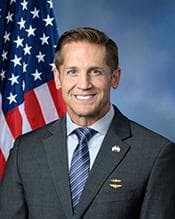
- Richard McCormick
- Cosponsors
- - 3 - 0
- Introduced
- In Committee
What this bill would do
This bill, known as the "STATES Act," aims to change how the Federal Government handles costs when deploying the National Guard. It amends title 10 of the United States Code regarding National Guard members in Federal service. Under this act, if the President determines that a National Guard deployment was caused by an action or negligence of a State government, the State must reimburse the Federal Government. The President can direct the reduction of funds available to the State equal to 100 percent of the costs incurred. However, the President has the authority to waive this requirement in specific circumstances.
Yes
Does this give the federal government more power?+5
The bill increases federal authority by allowing the President to mandate state reimbursements.
Does this reduce what the federal government spends?+1
The bill shifts some deployment costs from the federal government back to the states.
Does this make the government pay for what it commits to?+1
It promotes federal fiscal responsibility by holding states accountable for costs caused by state negligence.
The opposite
Does this leave more decisions to the states?-5
The bill reduces state autonomy by imposing financial liabilities for National Guard deployments.
Would people in rural areas be better off under this?-2
States may face budget reductions which could impact rural service delivery.
Who it would affect, and how
Potential Positive Impacts for People
-
Accountability for State Negligence: Under Section 2, subsection (b), the bill allows for the recovery of costs if the President determines a deployment resulted from an action or act of negligence by a State government. This ensures the Federal Government is not left paying for costs resulting from State-level negligence.
-
Presidential Discretion for Financial Relief: Section 2, subsection (c) provides a waiver for the reimbursement requirement in cases of extreme financial hardship to a State. This could prevent a State from facing devastating financial consequences.
-
Protection of Federal Assets: Section 2, subsection (c) allows the President to waive reimbursement when a deployment is primarily to protect Federal property or enforce Federal law, which may benefit the State in those specific scenarios.
Potential Negative Impacts for People
-
Financial Burden on States: Section 2, subsection (b) states that the Secretary of Defense can determine the costs incurred by the Federal Government, and the President can reduce funds available to a State by 100 percent of those costs. This could lead to significant budget cuts for a State.
-
Impact of Presidential Determination: According to Section 2, subsection (b), the requirement for reimbursement is triggered if the President provides a determination to a Governor that the deployment was due to a State action or negligence. This places the financial fate of a State's funding on a presidential determination.
Groups and Interests Ranking
Every group the model scored this bill for, from -10 to +10. Hover a score for the reason it gave.
- Demographic And Interest Groups
- Good For Rural Residents-2
- Economy And Finance
- Improves Fiscal Responsibility+1Reduces Government Spending+1
- Governance And Ideology
- Increases Federal Power+5Increase States Rights-5
- 6/17/2025
- Referred to the House Committee on Armed Services.
- 3 Cosponsors added.
- Introduced in House
 Abraham Hamadeh
Republican · Arizona
 Pat Harrigan
Republican · North Carolina
 Tony Wied
Republican · Wisconsin