Bill · H.R. 4026· House(119-HR-4026)
POST Act of 2025
- Introduced
- 6/17/2025
- Last activity
- 6/17/2025 — Referred to the House Committee on Education and Workforce.
- Sponsored by
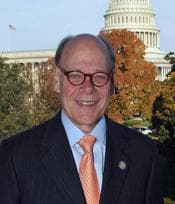
- Steve Cohen
- Cosponsors
- None
- Introduced
- In Committee
What this bill would do
The "Protecting Our Students and Taxpayers Act of 2025" amends the Higher Education Act of 1965. It introduces a new "85/15 rule" for proprietary institutions of higher education. Under this rule, these institutions must derive at least 15 percent of their revenue from sources other than Federal education assistance funds. This includes specific definitions for revenue, such as tuition, fees, and certain contractual arrangements. If an institution fails to meet this requirement, it becomes ineligible for a period of at least two institutional fiscal years.
Yes· 3 of 7
Does this make what the government does easier for the public to see?+5
The bill requires the Secretary to submit annual reports to Congress, increasing transparency regarding institutional revenues.
Would students be better off under this?+5
The bill is designed to protect students by regulating the financial reliance of proprietary institutions on federal funds.
Does this give people more protection from unfair business practices?+5
The bill enhances consumer protection by ensuring proprietary institutions have diversified revenue streams, reducing reliance on federal funds.
The opposite
Would business owners be better off under this?-5
Proprietary institution owners face stricter revenue requirements and the risk of losing federal funding eligibility.
Who it would affect, and how
Potential Positive Impacts for People
-
Protection for students and taxpayers: The bill is titled and intended to amend the Higher Education Act to protect students and taxpayers regarding proprietary institutions. (Section 1 and Section 2)
-
Clearer revenue definitions: The bill provides specific definitions for what counts as revenue, including tuition, fees, and certain contractual arrangements with Federal agencies for job training. (Section 2, Subparagraph (2)(B)(C))
-
Transparency through reporting: The Secretary is required to submit annual reports to the authorizing committees containing the amount and percentage of revenues received from Federal education assistance funds versus other sources for proprietary institutions. (Section 2, Subparagraph (2)(B)(E))
Potential Negative Impacts for People
-
Loss of eligibility for institutions: A proprietary institution that fails to meet the 15 percent non-federal revenue requirement will be ineligible for at least two institutional fiscal years. (Section 2, Subparagraph (2)(B)(D))
-
Burden of regaining eligibility: To regain eligibility after a failure, an institution must demonstrate compliance with all eligibility and certification requirements for a minimum of two institutional fiscal years. (Section 2, Subparagraph (2)(B)(D))
Groups and Interests Ranking
Every group the model scored this bill for, from -10 to +10. Hover a score for the reason it gave.
- Governance And Ideology
- Improves Government Transparency+5Increases Federal Power+4
- Demographic And Interest Groups
- Good For Students+5Good For Young Adults+3Good For Low Income Households+2Good For Business Owners-5
- Economy And Finance
- Improves Consumer Protection+5
- Education And Technology
- Improves College Affordability+3
- 6/17/2025
- Referred to the House Committee on Education and Workforce.
- Introduced in House
One bill Congress.gov lists as related to this one — companions in the other chamber, earlier versions, and bills this one absorbed or was folded into.