Bill · H.R. 3995· House(119-HR-3995)
State Public Option Act
- Introduced
- 6/12/2025
- Last activity
- 6/12/2025 — Referred to the Committee on Energy and Commerce, and in addition to the Committee on Ways and Means, for a period to be subsequently determined by the Speaker, in each case for consideration of such provisions as fall within the jurisdiction of the committee concerned.
- Sponsored by
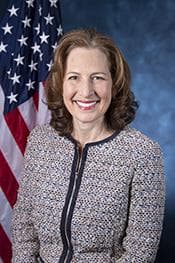
- Kim Schrier
- Cosponsors
- None
- Introduced
- In Committee
What this bill would do
The State Public Option Act aims to establish a State public option through Medicaid to offer Americans high-quality, low-cost health insurance. It allows certain resident individuals not covered by other plans to buy into Medicaid coverage starting January 1, 2026. The bill includes provisions for premium and cost-sharing limits, as well as federal financial participation for administrative expenses. Additionally, it directs the Secretary of Health and Human Services to update Medicaid quality measures. The act also renews and expands the Medicare payment rate floor for primary care services provided under Medicaid. Finally, it mandates the inclusion of comprehensive sexual and reproductive health care services in Medicaid coverage.
Yes· 3 of 8
Does this make abortion easier to get?+8
The bill mandates that Medicaid coverage must include comprehensive sexual and reproductive health care services, including abortion.
Does this make health care easier to get in general?+8
The bill creates a Medicaid buy-in option to provide high-quality, low-cost insurance to residents not currently covered.
Does this put more money into Medicaid, the health coverage for people on low incomes?+7
The bill increases federal financial participation for administrative expenses and expands eligibility for Medicaid through a buy-in option.
The opposite
No question was scored the opposite.
Who it would affect, and how
Potential Positive Impacts for People
-
Increased Health Insurance Choices: The bill provides residents who are not currently enrolled in other health insurance coverage the option to buy into Medicaid, providing a high-s-quality, low-cost choice (Section 2).
-
Protection Against High Costs: For certain individuals, the bill limits total annual premiums to no more than 8.5 percent of their household income (Section 2(d)(2)(A)).
-
Access to Premium Assistance: Individuals required to pay premiums under the buy-in program are eligible for premium assistance credits, which can help reduce the cost of coverage (Section 2(d)(4)).
-
Support for Primary Care Providers: The bill renews the payment floor for primary care services at a rate not less than 100 percent of the Medicare payment rate and expands this to include various providers like obstetricians, gynecologists, and advanced practice clinicians (Section 4(a)(1)).
-
Expanded Reproductive Health Access: Medicaid coverage will include comprehensive sexual and reproductive health care services, specifically including abortion services and abortion-related services (Section 6(a)).
Potential Negative Impacts for People
-
Requirement to Pay Premiums and Cost-Sharing: Unlike traditional Medicaid, individuals participating in the buy-in program may be subject to premiums, deductibles, and other cost-sharing charges (Section 2(d)(1)).
-
State Revenue Obligations: States that collect excess premiums for the buy-in program must pay 50 percent of those excess amounts to the Secretary of Health and Human Services (Section 2(c)(2)(B)).
Groups and Interests Ranking
Every group the model scored this bill for, from -10 to +10. Hover a score for the reason it gave.
- Healthcare
- Improves Abortion Access+8Improves Healthcare Access+8Increases Medicaid Funding+7Increases Affordable Care Act Support+5
- Demographic And Interest Groups
- Good For Women+7Good For Low Income Households+6Good For Middle Class Households+5Good For Rural Residents+3
- 6/12/2025
- Referred to the Committee on Energy and Commerce, and in addition to the Committee on Ways and Means, for a period to be subsequently determined by the Speaker, in each case for consideration of such provisions as fall within the jurisdiction of the committee concerned.
- Introduced in House
One bill Congress.gov lists as related to this one — companions in the other chamber, earlier versions, and bills this one absorbed or was folded into.