Bill · H.R. 3994· House(119-HR-3994)
Understanding Student Parent Outcomes Act of 2025
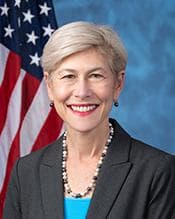
- Introduced
- 6/12/2025
- Last activity
- 6/12/2025 — Referred to the House Committee on Education and Workforce.
- Sponsored by
- Deborah Ross
- Cosponsors
- - 1 - 1
- Introduced
- In Committee
What this bill would do
The Understanding Student Parent Outcomes Act of 2025 aims to improve data collection regarding students who are parents or caregivers of dependent children in higher education. The Commissioner of Education Statistics is tasked with establishing a common definition for "parenting students" and developing specific data elements for the Integrated Postsecondary Education Data System (IPEDS). This data will include information on enrollment, retention, completion rates, and net price. Additionally, the Secretary of Education must conduct a study to identify best practices for improving outcomes for these students. This study will examine factors such as the availability of campus-based childcare and the integration of on-campus services with other programs.
Yes· 3 of 19
Would students be better off under this?+4
The bill aims to improve the outcomes and support systems for students who are also parents.
Does this make child care cost less?+4
The bill specifically studies the effects of campus-based childcare on student outcomes.
Would people in their twenties and thirties be better off under this?+3
The bill addresses the specific needs of many young adults attending higher education.
The opposite
Does this give people more control over their personal data?-1
The bill involves collecting sensitive personal data, which may raise privacy concerns for students.
Who it would affect, and how
Potential Positive Impacts for People
-
Improved understanding of student needs: By establishing a common definition and collecting specific data elements—such as enrollment, retention, completion rates, and net price—the government can better understand the experiences of parenting students (Section 2(a)(1)(B)).
-
Targeted support through research: The required study on best practices aims to identify what works to improve outcomes for students who are parents or caregivers, specifically looking at campus-based childcare and the integration of various support services (Section 3(a)).
-
Technical assistance for institutions: The Secretary of Education will provide guidance to States and institutions on how to develop data collection mechanisms, including best practices for privacy and communicating data use to students (Section 2(b)).
-
Inclusion of diverse perspectives: The process for defining "parenting student" requires consultation with specific groups, including students who are parents or caregivers, experts, and institution staff (Section 2(a)(1)(A)).
Potential Negative Impacts for People
- Privacy concerns: While the bill mentions providing best practices for privacy, the collection of detailed data—including marital status, income, and the disability status of dependent children—requires institutions to communicate how this data will be used and protected (Section 2(b)(4)).
Groups and Interests Ranking
Every group the model scored this bill for, from -10 to +10. Hover a score for the reason it gave.
- Demographic And Interest Groups
- Good For Students+4Good For Low Income Households+3Good For Women+3Good For Young Adults+3Good For African Americans+2Good For Asian Americans+2Good For Hispanic Americans+2Good For Native Americans+2Good For People With Disabilities+2Good For White Americans+2Good For Children+1
- Social Issues And Justice
- Improves Childcare Affordability+4Improves Gender Equality+3Improves Racial Equity+3Improves Disability Rights+2
- Governance And Ideology
- Improves Government Transparency+2Increases Federal Power+1
- Education And Technology
- Improves College Affordability+2Increases Scientific Research Funding+1Improves Data Privacy-1
- 6/12/2025
- Referred to the House Committee on Education and Workforce.
- 2 Cosponsors added.
- Introduced in House
 Don Bacon
Republican · Nebraska
 Lucy McBath
Democrat · Georgia