Bill · H.R. 3989· House(119-HR-3989)
Fluent Forces Act
- Introduced
- 6/12/2025
- Last activity
- 6/12/2025 — Referred to the House Committee on Armed Services.
- Sponsored by
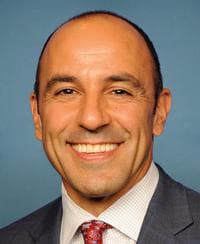
- Jimmy Panetta
- Cosponsors
- - 0 - 2
- Introduced
- In Committee
What this bill would do
The ``Fluent Forces Act'' aims to maintain language proficiency and readiness to support United States national security goals. The bill focuses on increasing attendance at the Defense Language Institute Foreign Language Center (DLIFLC). To achieve this, the Secretary of Defense is required to conduct annual assessments of recruiting methods. These assessments will look at how military recruiters engage with public and private secondary schools. The goal is to identify challenges in recruiting qualified individuals and develop better ways to increase awareness of linguist professions.
Yes· 3 of 4
Does this favour talking over confrontation abroad?+5
The bill explicitly states that language proficiency allows for more efficient diplomatic engagement.
Does this strengthen ties with allied countries?+3
Language skills enhance interoperability and communication with partner forces and international entities.
Would people in their twenties and thirties be better off under this?+2
The bill targets secondary school students for potential military linguistic career paths.
The opposite
No question was scored the opposite.
Who it would affect, and how
Potential Positive Impacts for People
-
Improved National Security and Mission Readiness: The bill notes that language and cultural training supports effective communication and interoperability between U.S. Armed Forces and partner forces, which is critical to mission readiness (Section 2).
-
Enhanced Decision Making for Service Members: Foreign language skills allow members of the Armed Forces to make informed and potentially lifesaving judgments regarding strategy and operations (Section 2).
-
Improved Intelligence Gathering: Linguistic skills provide increased support for intelligence gathering and subsequent interpretation (Section 2).
-
Enhanced Leadership and Expertise: Through the Foreign Area Officer program, members gain expertise to provide leadership in diverse, joint, interagency, intergovernmental, and multinational environments (Section 2).
-
More Efficient Diplomatic Engagement: Language skills allow for more efficient diplomatic engagement with state representatives or negotiation teams (Section 2).
Potential Negative Impacts for People
- No negative impacts or burdens are explicitly stated in the provided text.
Groups and Interests Ranking
Every group the model scored this bill for, from -10 to +10. Hover a score for the reason it gave.
- National Security And Foreign Policy
- Improves Diplomatic Engagement+5Improves International Alliances+3
- Demographic And Interest Groups
- Good For Students+2Good For Young Adults+2
- 6/12/2025
- Referred to the House Committee on Armed Services.
- 2 Cosponsors added.
- Introduced in House
 Tony Gonzales
Republican · Texas
 Jennifer Kiggans
Republican · Virginia