Bill · H.R. 3955· House(119-HR-3955)
RAPID Reserve Act
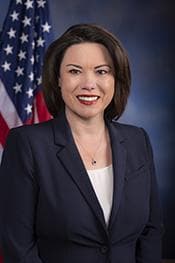
- Introduced
- 6/12/2025
- Last activity
- 6/12/2025 — Referred to the House Committee on Energy and Commerce.
- Sponsored by
- Angie Craig
- Cosponsors
- - 0 - 1
- Introduced
- In Committee
What this bill would do
This bill, known as the "RAPID Reserve Act," aims to strengthen the drug supply chain for critical products. It directs the Secretary of Health and Human Services to award contracts or cooperative agreements to entities to maintain reserves of specific drugs and their active pharmaceutical ingredients. These reserves are intended to prevent disruptions during drug shortages or public health emergencies. The Secretary will identify which drugs have vulnerable supply chains and publish that list. The program emphasizes maintaining both a 6-month reserve of ingredients and finished products. It also seeks to strengthen domestic manufacturing capacity and resiliency.
Yes· 3 of 6
Does this make the country readier for the next outbreak?+8
The bill directly strengthens pandemic preparedness by creating strategic drug and ingredient reserves.
Does this make health care easier to get in general?+6
The bill enhances healthcare access by preventing critical drug shortages during emergencies.
Does this give people more protection from unfair business practices?+5
The bill protects consumers by ensuring the availability of critical medications during shortages.
The opposite
No question was scored the opposite.
Who it would affect, and how
Potential Positive Impacts for People
-
Ensuring drug availability during crises: By maintaining a 6-month reserve of active pharmaceutical ingredients and finished drug products, the bill aims to prevent supply disruptions during public health emergencies, natural disasters, or chemical, biological, radiological, or nuclear threats (Section 2(a) and 2(b)(1)(A)).
-
Strengthening the domestic supply chain: The bill gives preference to entities that use domestic establishments or source materials from OECD member countries, which helps build up domestic manufacturing and surge capacity (Section 2(b)(3) and 2(d)).
-
Coordinated response to shortages: The Secretary can require entities to transfer a portion of their ingredient reserves to other manufacturers if there is a need for more finished drugs, helping to address shortages more effectively (Section 2(b)(1)(C)(i)).
-
Support for manufacturing infrastructure: The Secretary is authorized to award contracts that support the acquisition, construction, alteration, or renovation of non-federally owned establishments to improve preparedness and response (Section 2(c)(2)).
Potential Negative Impacts for People
-
Mandatory production at government direction: Entities receiving these awards must agree to implement the production of specific drugs or ingredients at the direction of the Secretary, which may impact how these companies operate their daily business (Section 2(b)(1)(B)).
-
Government control over private reserves: The Secretary has the authority to direct the allocation of maintained ingredient reserves during emergencies or public health threats, which shifts control of those materials to the government (Section 2(b)(1)(C)(ii)).
Groups and Interests Ranking
Every group the model scored this bill for, from -10 to +10. Hover a score for the reason it gave.
- Healthcare
- Improves Pandemic Preparedness+8Improves Healthcare Access+6
- Economy And Finance
- Improves Consumer Protection+5
- Environment Energy And Infrastructure
- Improves Disaster Relief And F E M A+5
- Governance And Ideology
- Increases Federal Power+4
- Demographic And Interest Groups
- Good For Business Owners+3
- 6/12/2025
- Referred to the House Committee on Energy and Commerce.
- 1 Cosponsor added.
- Introduced in House
One bill Congress.gov lists as related to this one — companions in the other chamber, earlier versions, and bills this one absorbed or was folded into.
 Jefferson Van Drew
Republican · New Jersey