Bill · H.R. 3920· House(119-HR-3920)
Lawless Cities Accountability Act of 2025
- Introduced
- 6/11/2025
- Last activity
- 6/11/2025 — Referred to the Committee on the Judiciary, and in addition to the Committee on Oversight and Government Reform, for a period to be subsequently determined by the Speaker, in each case for consideration of such provisions as fall within the jurisdiction of the committee concerned.
- Sponsored by
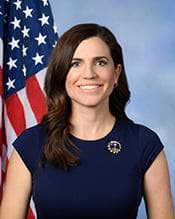
- Nancy Mace
- Cosponsors
- - 4 - 0
- Introduced
- In Committee
What this bill would do
H.R. 3920 is titled the ``Lawless Cities Accountability Act of 2025''. This bill stops Federal funds from going to any jurisdiction that the Attorney General determines is a lawless jurisdiction. The Attorney General must make these determinations and explain them publicly within 30 days of the Act's enactment, and at least quarterly after that. A jurisdiction can start receiving Federal funds again 180 days after being labeled lawless, or on the date the Attorney General decides it is no longer lawless. A lawless jurisdiction is defined as a State or political subdivision that forbids law enforcement intervention during violence, withdraws law enforcement protection from an area, disempowers or defunds law enforcement, or refuses Federal law enforcement assistance during widespread violence.
Yes
Does this give the federal government more power?+6
The bill significantly increases federal power by giving the Attorney General authority to withhold funds from states and political subdivisions.
Does this make what the government does easier for the public to see?+4
The bill requires the Attorney General to make determinations and explanations publicly available.
The opposite· 3 of 6
Does this leave more decisions to the states?-5
The bill reduces state sovereignty by allowing the federal government to penalize jurisdictions based on law enforcement policies.
Does this change how police departments operate?-4
The bill may negatively impact policing reform efforts by penalizing jurisdictions that attempt to defund or disempower law enforcement.
Would people in cities be better off under this?-3
Urban residents in jurisdictions deemed lawless could face reduced public services due to lost federal funding.
Who it would affect, and how
Potential Positive Impacts for People
-
Section 2(a): This section stops Federal funds from going to lawless jurisdictions, which holds officials accountable if their areas are deemed lawless.
-
Section 2(b): The Attorney General must make public determinations and explanations regarding which jurisdictions are lawless, which keeps the public informed about the status of their local areas.
Potential Negative Impacts for People
-
Section 2(a): Cutting off Federal funds to a jurisdiction could negatively impact individuals living in that area if public services rely on that money.
-
Section 2(c): A jurisdiction must wait at least 180 days from the initial lawless determination to receive Federal funds again, even if conditions improve quickly, which could burden the area.
Groups and Interests Ranking
Every group the model scored this bill for, from -10 to +10. Hover a score for the reason it gave.
- Demographic And Interest Groups
- Good For Urban Residents-3Good For Low Income Households-2
- Governance And Ideology
- Increases Federal Power+6Improves Government Transparency+4Increase States Rights-5
- Social Issues And Justice
- Improves Policing Reform-4
- Economy And Finance
- Reduces Government Spending-3
- Education And Technology
- Increases Public School Funding-3
- 6/17/2025
- 1 Cosponsor added.
- 6/13/2025
- 1 Cosponsor added.
- 6/11/2025
- Referred to the Committee on the Judiciary, and in addition to the Committee on Oversight and Government Reform, for a period to be subsequently determined by the Speaker, in each case for consideration of such provisions as fall within the jurisdiction of the committee concerned.
- 2 Cosponsors added.
- Introduced in House
 Mike Collins
Republican · Georgia
 Brandon Gill
Republican · Texas
 W. Steube
Republican · Florida
 Tony Wied
Republican · Wisconsin