Bill · H.R. 3812· House(119-HR-3812)
STRIVE Act of 2025
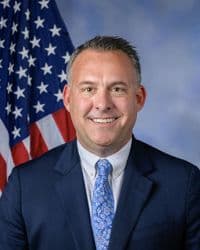
- Introduced
- 6/6/2025
- Last activity
- 11/7/2025 — Placed on the Union Calendar, Calendar No. 323.
- Sponsored by
- Adam Gray
- Cosponsors
- - 8 - 0
- Introduced
- On Calendar
What this bill would do
This bill, known as the "Stop Troubling Retroactive Invoices for Veteran Expenses Act of 2025," aims to amend title 38 of the United States Code. It seeks to prohibit the Secretary of Veterans Affairs from collecting certain health care copayments from veterans after a two-year period if specific notice requirements are not met. These notice requirements include notifying the veteran of the copayment within established timeliness standards or notifying them that their aggregate copayments exceed a specific dollar amount. The bill also establishes an annual adjustment for that dollar amount based on the Consumer Price Index. Additionally, the legislation extends certain limits on payments of pension.
Yes· 3 of 4
Would veterans be better off under this, taking everything together?+5
The bill provides veterans with protections against delayed medical billing and maintains certain pension limits.
Does this increase the pay, pensions or support veterans receive?+5
The bill prevents the collection of delayed healthcare copayments and extends limits on pension payments for veterans.
Does this make health care easier to get in general?+4
The bill protects veterans from being billed unexpectedly for medical services after a two-year period if specific notice standards are not met.
The opposite
No question was scored the opposite.
Who it would affect, and how
Potential Positive Impacts for People
-
Prohibition of delayed copayment collections: The Secretary may not require a veteran to make a copayment for hospital care or medical services after a two-year period if the Department failed to provide notice within applicable timeliness standards or failed to notify the veteran that their aggregate copayments exceeded $2,000 (Sec. 2(a)).
-
Protection against high cumulative costs: A veteran is protected from being required to pay a copayment if the Secretary fails to provide notice that the aggregate amount owed exceeds $2,000 (Sec. 2(a)).
-
Inflation adjustments for cost protections: The $2,000 dollar amount threshold will be increased annually based on the Consumer Price Index to account for inflation (Sec. 2(a)).
-
Discretionary waivers: The Secretary has the authority to waive copayment requirements for hospital care or medical services if deemed appropriate, even without a request from the veteran (Sec. 2(a)).
Potential Negative Impacts for People
- No negative impacts are explicitly mentioned in the provided text.
Groups and Interests Ranking
Every group the model scored this bill for, from -10 to +10. Hover a score for the reason it gave.
- Demographic And Interest Groups
- Good For Veterans+5Good For Low Income Households+3
- National Security And Foreign Policy
- Improves Veterans Benefits+5
- Healthcare
- Improves Healthcare Access+4
- 11/7/2025
- Reported (Amended) by the Committee on Veterans' Affairs. H. Rept. 119-371.
- Placed on the Union Calendar, Calendar No. 323.
- 2 Cosponsors added.
- 10/24/2025
- 1 Cosponsor added.
- 10/21/2025
- 2 Cosponsors added.
- 10/8/2025
- 1 Cosponsor added.
- 10/6/2025
- 1 Cosponsor added.
- 7/23/2025
- Committee Consideration and Mark-up Session Held
- Ordered to be Reported (Amended) by Voice Vote.
- 6/9/2025
- 1 Cosponsor added.
- 6/6/2025
- Referred to the House Committee on Veterans' Affairs.
- Introduced in House
 Steve Cohen
Democrat · Tennessee
 Joaquin Castro
Democrat · Texas
 Angie Craig
Democrat · Minnesota
 Shomari Figures
Democrat · Alabama
 Pramila Jayapal
Democrat · Washington
 Deborah Ross
Democrat · North Carolina
 Delia Ramirez
Democrat · Illinois
 Mark Takano
Democrat · California