Bill · H.R. 3759· House(119-HR-3759)
Streamlined FEMA Cost Exemption Act
- Introduced
- 6/5/2025
- Last activity
- 6/6/2025 — Referred to the Subcommittee on Economic Development, Public Buildings, and Emergency Management.
- Sponsored by
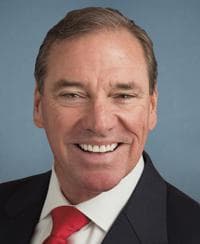
- Neal Dunn
- Cosponsors
- None
- Introduced
- In Committee
What this bill would do
The Streamlined FEMA Cost Exemption Act aims to provide streamlined cost exemptions for public assistance projects managed by FEMA. It shortens the timeframe for certain recoupments from three years to two years under Section 2. The bill restores the President's authority to waive prohibitions on duplicate assistance upon a request from a Governor or other entities. Additionally, it allows the FEMA Administrator to waive the recoupment of funds for covered projects if the excess does not exceed 5 percent. Finally, it requires the establishment of an acceptable error ratio for fund allocations.
Yes· 3 of 5
Does this improve help for people hit by a disaster?+7
The bill streamlines cost exemptions and restores waiver authority to expedite disaster relief assistance.
Does this repair or build roads and bridges?+5
The bill facilitates more efficient FEMA funding for disaster-related infrastructure projects.
Would households on low incomes be better off under this?+5
Streamlined disaster assistance can provide faster relief to those suffering economic losses from disasters.
The opposite
No question was scored the opposite.
Who it would affect, and how
Potential Positive Impacts for People
-
Shortened Recoupment Period: Section 2 changes the recoupment period from three years to two years, which may impact how long certain assistance obligations remain.
-
Restored Waiver Authority: Section 3 allows the President to waive the general prohibition against duplicate assistance if it is in the public interest and not wasteful. This can be requested by a Governor on behalf of a State, a person, a business concern, or any other entity suffering losses from a major disaster or emergency.
-
Faster Decision Making: Under Section 3, a request for a waiver must be granted or denied no later than 45 days after it is submitted.
-
Protection of Loans: Section 3(A)(C) prevents the President from determining a loan is a duplication of assistance as long as the Federal assistance is used toward a loss from the disaster or emergency.
-
Waiver of Excess Costs: Section 4 allows the FEMA Administrator to waive the recoupment of funds for a covered project if the amount exceeds the total cost by no more than 5 percent.
-
Error Ratio Establishment: Section 5 requires the Administrator to establish an acceptable error ratio for allocations during eligibility negotiations, ensuring funds within that ratio are used for eligible purposes.
Potential Negative Impacts for People
- Limitation on Waiver Application: Section 3(b) notes that the new waiver authority does not apply to section 406 or 408 of the Robert T. Stafford Disaster Relief and Emergency Assistance Act.
Groups and Interests Ranking
Every group the model scored this bill for, from -10 to +10. Hover a score for the reason it gave.
- Environment Energy And Infrastructure
- Improves Disaster Relief And F E M A+7Improves Roads And Bridges+5
- Demographic And Interest Groups
- Good For Business Owners+5Good For Low Income Households+5
- Governance And Ideology
- Increases Federal Power+3
- 6/6/2025
- Referred to the Subcommittee on Economic Development, Public Buildings, and Emergency Management.
- 6/5/2025
- Referred to the House Committee on Transportation and Infrastructure.
- Introduced in House