Bill · H.R. 372· House(119-HR-372)
Drug Testing for Welfare Recipients Act
- Introduced
- 1/13/2025
- Last activity
- 2/20/2025 — Referred to the Subcommittee on Nutrition and Foreign Agriculture.
- Sponsored by
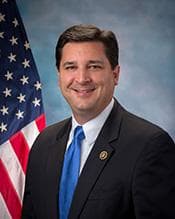
- David Rouzer
- Cosponsors
- None
- Introduced
- In Committee
What this bill would do
This bill, known as the "Drug Testing for Welfare Recipients Act," requires drug screening and testing for individuals aged 18 and older receiving certain assistance. It targets programs including Temporary Assistance for Needy Families, the Supplemental Nutrition Assistance Program, and various public housing and Section 8 rental assistance programs. Under this act, individuals may be denied benefits if they fail a drug test or fail to complete required screenings. The bill also mandates that states and administrative entities determine if an individual has a drug-related arrest history within the last five years. If specific conditions are met, such as a negative drug test, assistance can be provided. Additionally, the bill establishes financial penalties for states or agencies that fail to comply with these requirements.
Yes
No question was scored yes.
The opposite· 3 of 11
Would households on low incomes be better off under this?-7
The bill creates a significant risk of losing essential income and housing assistance due to mandatory drug testing requirements.
Is this likely to lift people out of poverty?-6
The bill risks increasing poverty by denying essential food and financial assistance to individuals who test positive for controlled substances.
Does this make housing cost less?-5
The bill may reduce housing assistance through proration if a family member fails a drug test.
Who it would affect, and how
Potential Positive Impacts for People
-
Protection for Family Members: For those receiving assistance through welfare programs, the denial of benefits for one individual will not affect the amount of assistance payable for other family members (Section 2(a)(1)(D)).
-
No Cost for Testing: The bill ensures that individuals are not required to pay the costs associated with the required drug testing or substance abuse screenings (Section 2(a)(1)(C)(ii), Section 3(a)(3)(B), and Section 4(a)(3)(B)).
-
Pathways to Restore Benefits: Individuals who test positive can regain assistance by successfully completing a treatment program or by providing a negative drug test (Section 2(a)(1)(B), Section 3(a)(1), and Section 4(a)(2)).
Potential Negative Impacts for People
-
Loss of Financial Assistance: Individuals aged 18 or older may be denied benefits for a period of at least 12 months if they test positive for a controlled substance (Section 2(a)(1)(B), Section 3(a)(1), and Section 4(a)(2)).
-
Impact on Housing for Families: In public housing or Section 8 programs, if an individual is denied assistance due to drug testing, the financial assistance for the rest of the family may be prorated based on the number of eligible members (Section 4(a)(4)).
-
Mandatory Screening Requirements: Individuals who have not been arrested for drug-related offenses in the previous five years must still undergo a substance abuse screening to determine if they are at high risk for abuse (Section 2(a)(1)(A)(iii) and Section 3(a)(1)(C)).
Groups and Interests Ranking
Every group the model scored this bill for, from -10 to +10. Hover a score for the reason it gave.
- Demographic And Interest Groups
- Good For Low Income Households-7Good For African Americans-4Good For Young Adults-3Good For Urban Residents-2
- Social Issues And Justice
- Improves Poverty Reduction-6Improves Affordable Housing-5Improves Racial Equity-3Improves Policing Reform-2
- Economy And Finance
- Reduces Government Spending-2
- Healthcare
- Improves Mental Health Access-2
- Governance And Ideology
- Improves Government Transparency-1
- 2/20/2025
- Referred to the Subcommittee on Nutrition and Foreign Agriculture.
- 1/13/2025
- Referred to the Committee on Ways and Means, and in addition to the Committees on Agriculture, and Financial Services, for a period to be subsequently determined by the Speaker, in each case for consideration of such provisions as fall within the jurisdiction of the committee concerned.
- Introduced in House