Bill · H.R. 3718· House(119-HR-3718)
Sustaining America’s Fisheries for the Future Act of 2025
- Introduced
- 6/4/2025
- Last activity
- 6/4/2025 — Referred to the Committee on Natural Resources, and in addition to the Committee on Agriculture, for a period to be subsequently determined by the Speaker, in each case for consideration of such provisions as fall within the jurisdiction of the committee concerned.
- Sponsored by
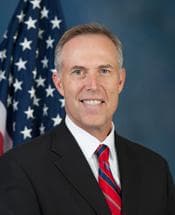
- Jared Huffman
- Cosponsors
- - 1 - 1
- Introduced
- In Committee
What this bill would do
The Sustaining America's Fisheries for the Future Act of 2205 aims to reauthorize and amend the Magnuson-Stevens Fishery Conservation and Management Act. This legislation focuses on building climate resilience into fisheries management and supporting fishing communities through new grant and loan programs. It introduces measures to improve tribal representation on fishery management councils and increases transparency in council procedures. Additionally, the bill seeks to modernize fisheries science through data and electronic technology improvements. Finally, it establishes provisions to protect against sexual harassment and assault within the National Oceanic and Atmospheric Administration and provides specific protections for certain species like river herring and shad.
Yes· 3 of 14
Does this better protect air, water and wildlife?+7
The bill enhances protections for essential fish habitats and incorporates climate change resilience into fisheries management.
Would Native Americans be better off under this?+6
The bill explicitly mentions incorporating traditional knowledge from Tribes and Indigenous communities into fisheries management.
Does this put more money into scientific research?+6
The bill invests heavily in modernizing fisheries science, data collection technologies, and stock assessments.
The opposite
No question was scored the opposite.
Who it would affect, and how
Potential Positive Impacts for People
-
Climate Resilience and Adaptation: The bill requires the Secretary to assess how fish stocks are vulnerable to climate change and mandates that councils create plans to increase resilience. (Section 102)
-
Support for Fishing Communities: It establishes a Working Waterfronts Grant Program to help preserve and expand access to coastal waters, including through the acquisition of waterfront property or facility improvements. (Section 202)
-
Financial Assistance for Waterfronts: The bill creates a Working Waterfronts Preservation Loan Fund to provide financial assistance to coastal states for the preservation, improvement, and restoration of working waterfronts. (Section 306B)
-
Increased Tribal Representation: The bill increases tribal representation on the Pacific Fishery Management Council and the North Pacific Fishery Management Council. (Sections 301 and 302)
-
Community Participation in Fishing: It provides a way for fishing communities to participate in limited access privilege programs by developing community sustainability plans. (Section 204)
-
Improved Transparency: The bill requires councils to hold roll call votes on nonprocedural matters and makes meeting recordings or transcripts available to the public via the internet. (Section 304)
-
Workplace Safety and Harassment Prevention: The bill implements policies to prevent sexual harassment and assault, including mandatory training for council members and staff. (Section 305)
-
Improved Data Accuracy through Technology: The bill encourages the use of electronic monitoring and innovative technology for stock and habitat assessments, which can improve the quality and usability of fishery data. (Section 303(b)(8); Section s 402(a))
-
Incentivizing Innovation: The establishment of an electronic technologies innovation prize competition is designed to catalyze the rapid development of new tools, such as fish species recognition software and artificial intelligence. (Section (e))
-
Enhanced Support for Fishing Communities: The bill prioriticly funds cooperative research projects that can address critical needs identified by regional councils and support fishing communities. (Section 404(c))
-
Protection of Essential Habitats: By requiring federal agencies to avoid or minimize adverse effects on essential fish habitat, the bill aims to protect the long-term resilience of marine ecosystems. (Section 502(d))
-
Improved Management of Forage Fish: The bill recognizes the critical role of forage fish in the food web and provides a framework to manage these species to support higher trophic level predators. (Section 508(a))
-
Targeted Species Protection: The legislation includes specific updates to protect and manage species such as river herring and shad. (Section 508(g))
Potential Negative Impacts for People
-
Regulatory Burdens on Councils: The bill requires councils to complete various mandatory assessments, such as vulnerability assessments regarding climate change, and to publish specific management plans. (Section 102)
-
New Requirements for Community Participation: To participate in limited access privilege programs, fishing communities must undergo a formal process of developing and submitting a community sustainability plan for approval. (Section 204)
-
Limitations on Council Lobbying: The bill prohibits council members and employees from using Federal funds to attempt to influence the introduction or passage of legislation. (Section 305)
-
Burdens of Observer Requirements: While the bill allows for exceptions, it maintains requirements for vessels to carry observers, which could be a burden if vessel facilities are inadequate or unsafe for the health and safety of the observer. (Section 303(b)(8)(B))
-
Increased Regulatory Requirements for Agencies: Federal agencies are now required to undergo more rigorous consultation processes when their actions might adversely affect essential fish habitat. (Section 502(d)(2))
-
Potential Management Restrictions: The bill allows for the implementation of "full retention requirements" for certain species, which could impact fishing operations if annual catch limits and accountability measures are in place. (Section 303(a)(13))
Groups and Interests Ranking
Every group the model scored this bill for, from -10 to +10. Hover a score for the reason it gave.
- Demographic And Interest Groups
- Good For Native Americans+6Good For Business Owners+5Good For Women+5Good For Low Income Households+3Good For Rural Residents+3
- Economy And Finance
- Improves Small Business Support+5Improves Economic Growth+3Increases Job Creation+2
- Education And Technology
- Increases Scientific Research Funding+6Improves Data Privacy+4
- Governance And Ideology
- Improves Government Transparency+5Improves Privacy Rights+4
- Environment Energy And Infrastructure
- Improves Environmental Protections+7
- Social Issues And Justice
- Improves Gender Equality+5
- 6/4/2025
- Referred to the Committee on Natural Resources, and in addition to the Committee on Agriculture, for a period to be subsequently determined by the Speaker, in each case for consideration of such provisions as fall within the jurisdiction of the committee concerned.
- 2 Cosponsors added.
- Introduced in House
 Ed Case
Democrat · Hawaii
 James Moylan
Republican · Guam