Bill · H.R. 3706· House(119-HR-3706)
SUSHI Act

- Introduced
- 6/4/2025
- Last activity
- 2/11/2026 — Ordered to be Reported in the Nature of a Substitute (Amended) by Unanimous Consent.
- Sponsored by
- Brian Babin
- Cosponsors
- - 1 - 1
- Introduced
What this bill would do
This bill is known as the Standards for Understanding Source and Habitat Identification Act or the SUSHI Act. It requires specific government officials to develop a standard methodology based on chemical analysis to identify the country of origin of seafood. This effort is meant to support enforcement against illegal, unreported, and unregulated fishing. The methodology must meet certain requirements, such as using an easily carried field kit and being able to test prepared food like sushi and sashimi. Initial species for identification pilot studies will include red snapper and tuna. Finally, a report summarizing the methodology and an operational plan must be submitted to appropriate committees of Congress within two years.
Yes· 3 of 4
Does this better protect air, water and wildlife?+5
The bill strengthens protections for marine ecosystems by providing tools to enforce against illegal, unreported, and unregulated fishing.
Does this make trade with other countries easier?+3
By standardizing seafood origin identification, the bill helps regulate trade and combat illegal fishing practices.
Would farmers be better off under this?+2
The bill supports legitimate seafood producers by creating more effective tools to combat illegal, unregulated competition.
The opposite
No question was scored the opposite.
Who it would affect, and how
Potential Positive Impacts for People
-
Section 2(b)(1): This section requires key agency leadership to jointly develop a standard methodology based on chemical analysis to identify the country of origin of seafood, which supports enforcement against unlawful, unreported, and unregulated fishing. This is a positive step for holding bad actors accountable and protecting honest fishermen.
-
Section 2(b)(2)(C): This section mandates the use of a field kit that can be easily carried by one individual. This is beneficial because it gives law enforcement a practical, portable tool to do their jobs effectively in the field.
-
Section 2(b)(2)(D): This section ensures that the methodology can be used to test prepared food like ceviche, sashimi, sushi, and poke, to the extent practicable. This helps protect consumers by ensuring the safety and correct labeling of popular seafood dishes they buy.
Potential Negative Impacts for People
- Based on the provided text, there are no explicit negative impacts or burdens identified for individuals or groups of people in the United States.
Groups and Interests Ranking
Every group the model scored this bill for, from -10 to +10. Hover a score for the reason it gave.
- Environment Energy And Infrastructure
- Improves Environmental Protections+5
- National Security And Foreign Policy
- Improves International Trade+3
- Demographic And Interest Groups
- Good For Farmers+2
- Education And Technology
- Increases Scientific Research Funding+2
- 2/25/2026
- 1 Cosponsor added.
- 2/11/2026
- Subcommittee on Water, Wildlife and Fisheries Discharged
- Committee Consideration and Mark-up Session Held
- Ordered to be Reported in the Nature of a Substitute (Amended) by Unanimous Consent.
- 7/23/2025
- 1 Cosponsor added.
- 7/22/2025
- Subcommittee Hearings Held
- 7/16/2025
- Referred to the Subcommittee on Water, Wildlife and Fisheries.
- 6/4/2025
- Referred to the Committee on Natural Resources, and in addition to the Committee on Science, Space, and Technology, for a period to be subsequently determined by the Speaker, in each case for consideration of such provisions as fall within the jurisdiction of the committee concerned.
- Introduced in House
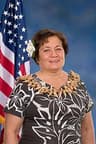 Aumua Amata Radewagen
Republican · American Samoa
 Eugene Vindman
Democrat · Virginia