Bill · H.R. 3641· House(119-HR-3641)
Wounded Warrior Bill of Rights Act of 2025
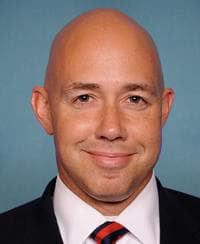
- Introduced
- 5/29/2025
- Last activity
- 5/29/2025 — Referred to the House Committee on Armed Services.
- Sponsored by
- Brian Mast
- Cosponsors
- - 2 - 1
- Introduced
- In Committee
What this bill would do
The Wounded Warrior Bill of Rights Act of 2025 aims to clarify and improve accountability for members of the Armed Forces undergoing medical separation. It establishes that the determination of fitness for duty is the responsibility of the Secretary of the military department and the military chain of command rather than the Defense Health Agency. The bill ensures that Wounded Warriors maintain their protections, privileges, and due process rights throughout the entire evaluation process. It grants military commanders the authority to pause or withdraw a member from the evaluation system if policies are not followed. Additionally, the bill creates a process for appeals to include a full and fair hearing conducted by the Secretary concerned. Finally, it requires a briefing to Congress on the status of these implementations.
Yes· 3 of 5
Does this protect the right to fair treatment by the courts?+8
The bill explicitly guarantees and strengthens due process rights for wounded warriors during medical separation.
Would veterans be better off under this, taking everything together?+7
The bill provides critical due process and accountability for service members facing medical separation.
Does this increase the pay, pensions or support veterans receive?+6
The bill improves protections and due process for service members transitioning out of the military due to injury.
The opposite
No question was scored the opposite.
Who it would affect, and how
Potential Positive Impacts for People
-
Enhanced Accountability for Care: The bill places the responsibility for determinations of fitness for duty and the administration of morale and welfare directly on the Secretary of the military department (Section 2, a(2); Section 2, c(1)).
-
Protection of Rights During Evaluation: The policy ensures that a Wounded Warrior is not denied protections, privileges, or due process rights at any point during their medical evaluation (Section 2, b(3)).
-
Increased Oversight via Command Authority: Military commanders are given the authority to pause or completely withdraw a member from the evaluation system if they find that policies, procedures, or regulations have not been followed (Section 2, c(2)(C)).
-
Improved Appeal Processes: The bill mandates that appeals include a full and fair hearing conducted by the Secretary concerned, providing an additional layer of recourse for the member (Section 2, d(1)).
-
Timely Adjudication of Appeals: The bill requires that appeals be adjudicated by the military commander and relevant echelons of command within 90 days of initiation (Section 2, d(3)(B)).
Potential Negative Impacts for People
- No specific negative impacts or burdens are explicitly identified within the text of the bill.
Groups and Interests Ranking
Every group the model scored this bill for, from -10 to +10. Hover a score for the reason it gave.
- Governance And Ideology
- Improves Due Process+8Improves Government Transparency+4
- Demographic And Interest Groups
- Good For Veterans+7
- National Security And Foreign Policy
- Improves Veterans Benefits+6
- Healthcare
- Improves Healthcare Access+5
- 6/17/2025
- 1 Cosponsor added.
- 5/29/2025
- Referred to the House Committee on Armed Services.
- 2 Cosponsors added.
- Introduced in House
 Josh Gottheimer
Democrat · New Jersey
 Nick LaLota
Republican · New York
 Richard McCormick
Republican · Georgia