Bill · H.R. 3522· House(119-HR-3522)
Protecting Older Workers Against Discrimination Act of 2025
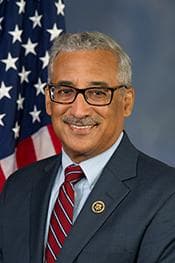
- Introduced
- 5/20/2025
- Last activity
- 5/20/2025 — Referred to the House Committee on Education and Workforce.
- Sponsored by
- Robert Scott
- Cosponsors
- - 5 - 3
- Introduced
- In Committee
What this bill would do
The "Protecting Older Workers Against Discrimination Act of 2025" seeks to amend several existing laws, including the Age Discrimination in Employment Act of 1967, Title VII of the Civil Rights Act of 1964, the Americans with Disabilities Act of 1990, and the Rehabilitation Act of 1973. The bill establishes new standards for establishing unlawful employment practices by clarifying that a practice is unlawful if a protected characteristic was a motivating factor, even if other factors were involved. It also modifies the available remedies for such claims. These changes apply to all claims pending on or after the date the act is enacted.
Yes· 3 of 13
Would Black Americans be better off under this?+5
The bill makes it easier to establish racial discrimination in employment.
Would Hispanic Americans be better off under this?+5
The bill makes it easier to establish racial discrimination in employment.
Would Asian Americans be better off under this?+5
The bill makes it easier to establish racial discrimination in employment.
The opposite
Does this protect the right to fair treatment by the courts?-3
The bill limits remedies available to plaintiffs even when a violation is established.
Who it would affect, and how
Potential Positive Impacts for People
-
Easier standard for establishing discrimination: The bill establishes that an unlawful practice occurs when a protected factor—such as age, race, color, religion, sex, national origin, or disability—is a "motivating factor" for an employment practice, even if other factors also motivated that practice. (Section 2(a)(1), 2(b)(1), and 2(c)(2))
-
Clarification of legal burdens: The bill provides a specific definition for the term "demonstrates," stating that it means meeting the burdens of production and persuasion. (Section 2(a)(3) and 2(c)(1))
Potential Negative Impacts for People
-
Limitations on legal remedies: If an individual proves a violation based on the "motivating factor" standard, but the employer demonstrates they would have taken the same action regardless of that factor, the court is prohibited from awarding damages, admissions, reinstatement, hiring, promotion, or payment. Instead, the court may only grant declaratory relief, injunctive relief, and certain attorney's fees and costs. (Section 2(a)(2)(B), 2(c)(4)(2))
-
Restrictions on relief for specific claims: For claims regarding age discrimination, the court's ability to award injunctive relief is subject to certain provisions. (Section 2(a)(2)(A))
Groups and Interests Ranking
Every group the model scored this bill for, from -10 to +10. Hover a score for the reason it gave.
- Demographic And Interest Groups
- Good For African Americans+5Good For Asian Americans+5Good For Hispanic Americans+5Good For Native Americans+5Good For People With Disabilities+5Good For Women+5Good For Retirees+4Good For Seniors+4Good For Business Owners+3
- Social Issues And Justice
- Improves Disability Rights+5Improves Gender Equality+5Improves Racial Equity+5
- Governance And Ideology
- Increases Federal Power+2Improves Due Process-3
- 6/23/2026
- 1 Cosponsor added.
- 2/25/2026
- 1 Cosponsor added.
- 11/7/2025
- 1 Cosponsor added.
- 5/20/2025
- Referred to the House Committee on Education and Workforce.
- 5 Cosponsors added.
- Introduced in House
 Alma Adams
Democrat · North Carolina
 Suzanne Bonamici
Democrat · Oregon
 Brian Fitzpatrick
Republican · Pennsylvania
 Glenn Grothman
Republican · Wisconsin
 Jahana Hayes
Democrat · Connecticut
 Lucy McBath
Democrat · Georgia
 Seth Magaziner
Democrat · Rhode Island
 Jefferson Van Drew
Republican · New Jersey