Bill · H.R. 3458· House(119-HR-3458)
Strong Communities Act of 2025
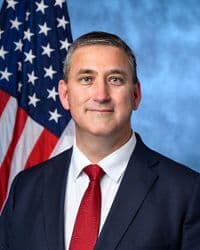
- Introduced
- 5/15/2025
- Last activity
- 5/15/2025 — Referred to the House Committee on the Judiciary.
- Sponsored by
- Nathaniel Moran
- Cosponsors
- - 0 - 6
- Introduced
- In Committee
What this bill would do
The Strong Communities Act of 2025 seeks to amend the Omnibus Crime Control and Safe Streets Act of 1968. It establishes the COPS Strong Communities Program, which allows the Attorney General to provide competitive grants to local law enforcement agencies. These funds are intended to pay for officers and recruits to attend law enforcement training programs at eligible entities. To receive these benefits, recruits must agree to serve in their local communities for a specific period. This includes serving at least 4 years within a certain distance of their residence. If the service requirement is not met, the individual must repay the benefits received.
Yes· 3 of 9
Would students be better off under this?+4
The bill provides financial support for students entering law enforcement training programs.
Does this make college cost less?+4
The bill provides grant-funded opportunities for law enforcement recruits to attend higher education or training academies.
Would people in their twenties and thirties be better off under this?+3
The bill offers educational and career pathways for young adult law enforcement recruits.
The opposite
No question was scored the opposite.
Who it would affect, and how
Potential Positive Impacts for People
-
Funding for Training: The bill allows for competitive grants to be used for officers and recruits to attend law enforcement training programs at eligible entities (Section 2, paragraph 2).
-
Community-Based Law Enforcement: The program encourages recruits to serve in law enforcement agencies within their own communities (Section 2, paragraph 2).
-
Increased Transparency: The Attorney General is required to submit annual reports to the House and Senate Committees on the Judiciary regarding the number of recipients, the number of people intended for training, and how many have returned to and remained employed by the recipient agencies (Section 3).
Potential Negative Impacts for People
-
Service Obligations: Recruits and officers are required to serve as full-time law enforcement officers for at least 4 years within a specific distance of their residence to maintain their benefits (Section 2, paragraph 3).
-
Financial Repayment Requirement: If an officer or recruit does not complete the required service, they are obligated to pay back the amount of the benefits they received through the local law enforcement agency (Section 2, paragraph 4).
Groups and Interests Ranking
Every group the model scored this bill for, from -10 to +10. Hover a score for the reason it gave.
- Demographic And Interest Groups
- Good For Students+4Good For Young Adults+3Good For Rural Residents+1
- Education And Technology
- Improves College Affordability+4
- Governance And Ideology
- Improves Government Transparency+2Increases Federal Power+2
- Economy And Finance
- Increases Job Creation+3
- Environment Energy And Infrastructure
- Improves Rural Development+1
- Social Issues And Justice
- Improves Policing Reform+1
- 10/9/2026
- 1 Cosponsor added.
- 6/2/2026
- 1 Cosponsor added.
- 5/12/2026
- 1 Cosponsor added.
- 8/12/2025
- 1 Cosponsor added.
- 5/15/2025
- Referred to the House Committee on the Judiciary.
- 2 Cosponsors added.
- Introduced in House
One bill Congress.gov lists as related to this one — companions in the other chamber, earlier versions, and bills this one absorbed or was folded into.
 Marie Perez
Democrat · Washington
 Glenn Ivey
Democrat · Maryland
 Zoe Lofgren
Democrat · California
 Susie Lee
Democrat · Nevada
 Deborah Ross
Democrat · North Carolina
 Eugene Vindman
Democrat · Virginia