Bill · H.R. 3324· House(119-HR-3324)
Safer Shrimp Imports Act
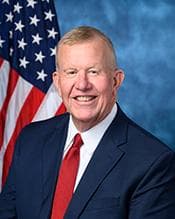
- Introduced
- 5/13/2025
- Last activity
- 5/13/2025 — Referred to the House Committee on Energy and Commerce.
- Sponsored by
- Mike Ezell
- Cosponsors
- - 4 - 1
- Introduced
- In Committee
What this bill would do
The Safer Shrimp Imports Act seeks to amend the Federal Food, Drug, and Cosmetic Act. It focuses on establishing inspection requirements for foreign facilities that manufacture, process, pack, or hold shrimp intended for consumption in the United States. The Secretary is tasked with entering into agreements with foreign governments regarding these facilities. Under this bill, shrimp may be refused admission if the foreign government does not have an agreement or a food inspection system equivalent to the FDA's. This includes requirements for staffing and enforcement regarding how shrimp is raised and transported.
Yes
Does this give people more protection from unfair business practices?+6
The bill enhances consumer protection by requiring foreign shrimp producers to meet strict FDA-equivalent food inspection and safety standards.
Would people in cities be better off under this?+2
Consumers may benefit from increased safety and quality assurance regarding imported shrimp products.
Does this make the country readier for the next outbreak?+1
The bill strengthens food safety oversight which contributes to general public health preparedness.
The opposite
Does this make trade with other countries easier?-3
The bill may disrupt international trade by creating new regulatory hurdles and potential refusal of shrimp imports from non-compliant countries.
Would business owners be better off under this?-2
Importers of foreign shrimp may face increased costs or supply disruptions due to the new inspection and agreement requirements.
Who it would affect, and how
Potential Positive Impacts for People
-
Increased Safety Standards: By requiring foreign food inspection systems to be equivalent to the FDA's, the bill aims to ensure that shrimp is raised and transported under regulated conditions (Section 2(a)(3)).
-
Uniform Enforcement: The bill mandates that foreign inspection systems include staffing that ensures uniform enforcement of laws and regulations, which can help maintain consistent food safety standards (Section 2(a)(3)(A)).
-
Accountability through Reporting: The Secretary of Health and Human Services must submit annual reports to Congress regarding the implementation of these new rules, providing oversight on how these changes are being applied (Section 2(c)).
Potential Negative Impacts for People
-
Refusal of Imported Goods: Shrimp may be refused admission into the United States if the foreign government fails to enter into an agreement with the Secretary or fails to demonstrate a qualifying food inspection system (Section 2(a)(2)).
-
New Adulteration Classifications: Shrimp imported from countries that do not comply with the new requirements will be considered adulterated, which could impact the availability of these imports (Section 2(b)).
Groups and Interests Ranking
Every group the model scored this bill for, from -10 to +10. Hover a score for the reason it gave.
- Economy And Finance
- Improves Consumer Protection+6
- National Security And Foreign Policy
- Improves International Trade-3
- Healthcare
- Improves Pandemic Preparedness+1
- Demographic And Interest Groups
- Good For Urban Residents+2Good For Business Owners-2
- 5/21/2026
- 1 Cosponsor added.
- 5/14/2025
- 2 Cosponsors added.
- 5/13/2025
- Referred to the House Committee on Energy and Commerce.
- 2 Cosponsors added.
- Introduced in House
One bill Congress.gov lists as related to this one — companions in the other chamber, earlier versions, and bills this one absorbed or was folded into.
 Troy Carter
Democrat · Louisiana
 Julia Letlow
Republican · Louisiana
 Nancy Mace
Republican · South Carolina
 Daniel Webster
Republican · Florida
 Randy Weber
Republican · Texas