Bill · H.R. 3320· House(119-HR-3320)
Strengthening Medicaid for Serious Mental Illness Act
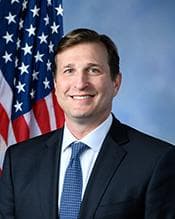
- Introduced
- 5/9/2025
- Last activity
- 5/9/2025 — Referred to the House Committee on Energy and Commerce.
- Sponsored by
- Daniel Goldman
- Cosponsors
- - 2 - 0
- Introduced
- In Committee
What this bill would do
This bill, known as the "Strengthening Medicaid for Serious Mental Illness Act," aims to amend the Social Security Act to increase Federal Medicaid funding for states. The goal is to support states that provide intensive community-based services for adults living with serious mental illness. It seeks to increase access to these services in appropriate settings to prevent unnecessary hospitalizations or institutionalization. Additionally, it aims to promote continuity of care for young adults as they age out of certain benefits. The bill outlines specific requirements for these services, including definitions for assertive community treatment and intensive case management.
Yes· 3 of 15
Does this make mental health care easier to get?+9
The bill drastically increases access to intensive community-based services for adults with serious mental illness.
Does this put more money into Medicaid, the health coverage for people on low incomes?+8
The bill significantly increases Medicaid funding via higher FMAP for intensive community-based services.
Would households on low incomes be better off under this?+8
The bill specifically targets individuals living at or below 150% of the poverty line.
The opposite
No question was scored the opposite.
Who it would affect, and how
Potential Positive Impacts for People
-
Increased Access to Care: The bill seeks to increase access to intensive community-based services in the most integrated setting appropriate (Section 2).
-
Prevention of Institutionalization: By providing these services, the bill aims to prevent unnecessary hospitalizations or other forms of institutionalization (Section 2).
-
Continuity of Care for Young Adults: The act aims to promote continuity of care and coverage for young adults after they turn 21 and age out of the early and periodic screening, diagnostic, and treatment services benefit (Section 2).
-
Comprehensive Support Services: The bill defines several services that could benefit individuals, such as assertive community treatment to improve outcomes for those at high risk of homelessness or crisis (Section 3, Subsection 2, B, i), supported employment for maintaining jobs (Section 3, Subsection 2, H), and peer support services to promote recovery and self-sufficiency (Section 3, Subsection 2, F).
-
Crisis Intervention: The bill includes provisions for qualifying community-based mobile crisis intervention services that are available 24 hours a day, every day of the year (Section 3, Subsection 2, G, iii).
Potential Negative Impacts for People
- Income Restrictions for Eligibility: To be considered an "eligible individual" for these specific intensive community-based services, an individual's income must not exceed 150 percent of the poverty line (Section 3, Subsection 2, C, iii).
Groups and Interests Ranking
Every group the model scored this bill for, from -10 to +10. Hover a score for the reason it gave.
- Healthcare
- Improves Mental Health Access+9Increases Medicaid Funding+8Improves Healthcare Access+6Reduces Hospital Costs+5
- Social Issues And Justice
- Improves Disability Rights+7Reduces Homelessness+6Improves Affordable Housing+5Improves Poverty Reduction+4Improves Racial Equity+3
- Demographic And Interest Groups
- Good For Low Income Households+8Good For People With Disabilities+8Good For Young Adults+7
- Governance And Ideology
- Increases Federal Power+4Improves Government Transparency+3Increase States Rights+2
- 8/31/2026
- 1 Cosponsor added.
- 11/18/2025
- 1 Cosponsor added.
- 5/9/2025
- Referred to the House Committee on Energy and Commerce.
- Introduced in House
 Zoe Lofgren
Democrat · California
 Suhas Subramanyam
Democrat · Virginia