Bill · H.R. 3308· House(119-HR-3308)
RETAIN Act
- Introduced
- 5/8/2025
- Last activity
- 5/8/2025 — Referred to the Committee on Ways and Means, and in addition to the Committee on Education and Workforce, for a period to be subsequently determined by the Speaker, in each case for consideration of such provisions as fall within the jurisdiction of the committee concerned.
- Sponsored by
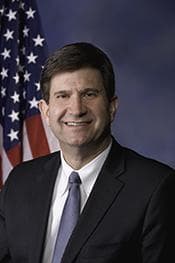
- Bradley Schneider
- Cosponsors
- - 2 - 0
- Introduced
- In Committee
What this bill would do
The RETAIN Act aims to address shortages of teachers and school leaders in early childhood, elementary, and secondary education. It proposes creating a refundable tax credit to reward educators based on their years of continuous service. This credit covers various roles, including teachers, school leaders, and mental health providers. The legislation specifically targets those serving in qualifying schools and early childhood programs. By providing financial incentives, the bill seeks to improve retention in high-poverty and high-need areas.
Yes· 3 of 15
Does this put more money into public schools?+6
The bill provides direct financial incentives to improve retention in public schools.
Would students be better off under this?+5
The bill aims to improve educational quality and stability for students.
Does this narrow racial gaps in how people are treated?+5
The bill aims to help retain educators of color in high-poverty areas.
The opposite
No question was scored the opposite.
Who it would affect, and how
Potential Positive Impacts for People
-
Financial Support for Educators: The bill provides a refundable tax credit that increases based on the number of years an individual is continuously employed. For example, a person in their tenth year could receive $11,600 (Section 4(a)(2)(B)).
-
Incentivizing Retention in High-Need Areas: The credit is designed to reward those serving in qualifying schools, which include those in districts eligible for certain federal assistance (Section 4(f)(9)).
-
Protection of Existing Compensation: State and local agencies are prohibited from reducing current compensation or loan forgiveness assistance because of an employee's eligibility for this new tax credit (Section 4(a)(4)).
-
Inflation Protection: The dollar amounts for the tax credit are subject to annual increases based on cost-of-living adjustments starting after 2026 (Section 4(a)(3)).
-
Improved Transparency: The bill requires the development of a new data series to track average base salaries for teachers and early childhood educators, which includes disaggregation by geographic region and degree level (Section 5).
Potential Negative Impacts for People
-
Benefit Caps for Long-Term Employees: The tax credit amount is reduced to zero for any individual who has been employed in the eligible positions for more than 20 school years (Section 4(a)(2)(3)).
-
Employment Duration Requirements: To be eligible for the credit in the first year of employment, an individual must have been employed for at least 4 months before the start of the taxable year (Section 4(a)(2)(2)).
Groups and Interests Ranking
Every group the model scored this bill for, from -10 to +10. Hover a score for the reason it gave.
- Demographic And Interest Groups
- Good For Students+5Good For Children+4Good For African Americans+3Good For Native Americans+3Good For Low Income Households+2Good For Young Adults+2
- Social Issues And Justice
- Improves Racial Equity+5Improves Childcare Affordability+3Improves Poverty Reduction+2
- Economy And Finance
- Reduces Middle Class Taxes+5Increases Job Creation+3
- Education And Technology
- Increases Public School Funding+6
- Healthcare
- Improves Mental Health Access+4
- Governance And Ideology
- Improves Government Transparency+2Increases Federal Power+1
- 6/9/2025
- 1 Cosponsor added.
- 5/8/2025
- Referred to the Committee on Ways and Means, and in addition to the Committee on Education and Workforce, for a period to be subsequently determined by the Speaker, in each case for consideration of such provisions as fall within the jurisdiction of the committee concerned.
- 1 Cosponsor added.
- Introduced in House
One bill Congress.gov lists as related to this one — companions in the other chamber, earlier versions, and bills this one absorbed or was folded into.
 Angie Craig
Democrat · Minnesota
 Haley Stevens
Democrat · Michigan