Bill · H.R. 3250· House(119-HR-3250)
Developing and Advancing Innovative Learning Models
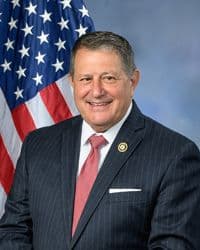
- Introduced
- 5/7/2025
- Last activity
- 5/7/2025 — Referred to the House Committee on Education and Workforce.
- Sponsored by
- Joseph Morelle
- Cosponsors
- None
- Introduced
- In Committee
What this bill would do
This bill creates a grant program to help develop and spread "innovative learning models" in U.S. schools. It directs the Institute for Education Sciences to fund the research, creation, and scaling of these models through competitive grants. Additionally, it provides formula grants to States and subgrants to local school districts to encourage the adoption of these models. The program emphasizes evidence-based results and requires regular reporting and independent evaluations. It specifically aims to improve student outcomes across various demographics.
Yes· 3 of 29
Would students be better off under this?+9
The bill is designed specifically to improve student achievement and attainment.
Would children be better off under this?+8
The primary beneficiaries are K-12 students who gain access to improved learning models.
Would households on low incomes be better off under this?+8
Funding is heavily weighted toward students from families below the poverty line.
The opposite
Does this reduce what the federal government owes?-2
The bill authorizes new federal spending for grants and research without identifying a funding source.
Does this reduce what the federal government spends?-2
The bill increases government spending through the creation of new grant programs.
Who it would affect, and how
Potential Positive Impacts for People
-
Support for High-Need Students: The bill uses funding formulas that prioritize individuals from families below the poverty line (Section 202(b)(1)) and requires models to address the needs of children with disabilities, English learners, gifted students, and at-risk students (Section 203(c)(2)).
-
Investment in Better Teaching Tools: By funding the development of innovative learning models, the bill seeks to improve student achievement and attainment through comprehensive programs that integrate instructional design, pedagogical practices, and technology (Section 102(a)(1) and Section 3(5)).
-
Professional Development: The bill allows for a training program and fellowship program for employees of public and private educational agencies and institutions (Section 102(e)).
-
Accountability and Transparency: The bill requires that reports and independent evaluations of the program's effectiveness be made publicly available (Section 103(b), Section 103(d), and Section 204(a)(3)).
-
Community Involvement: Innovative learning models must be created and implemented with input from school communities (Section 3(5)(E)), and local agencies must collaborate with teachers, principals, and other stakeholders (Section 203(b)(2)(D)).
Potential Negative Impacts for People
-
Limited Grant Availability: Because development grants are awarded on a competitive basis, many innovative learning model providers may not receive funding (Section 102(a)).
-
Administrative Burden: State and local educational agencies must submit detailed plans and annual reports to receive and keep funding, which requires time and resources (Section 202(c) and Section 204(a)).
-
Funding Restrictions: Grant funds must "supplement, not supplant" existing funds, meaning they cannot be used to replace current Federal or State money already used for similar activities (Section 102(f) and Section 202(f)).
Groups and Interests Ranking
Every group the model scored this bill for, from -10 to +10. Hover a score for the reason it gave.
- Demographic And Interest Groups
- Good For Students+9Good For Children+8Good For Low Income Households+8Good For People With Disabilities+8Good For Native Americans+7Good For Rural Residents+6Good For African Americans+5Good For Hispanic Americans+5Good For Immigrants+5Good For Urban Residents+5Good For Middle Class Households+4Good For Asian Americans+3Good For Business Owners+3Good For White Americans+3Good For High Income Households+2
- Education And Technology
- Increases Public School Funding+7Increases Scientific Research Funding+6Improves Data Privacy+2
- Social Issues And Justice
- Improves Disability Rights+5Improves Racial Equity+4Improves Poverty Reduction+3
- Governance And Ideology
- Improves Government Transparency+4Increases Federal Power+3Improves Privacy Rights+2
- Environment Energy And Infrastructure
- Improves Rural Development+3
- Economy And Finance
- Improves Small Business Support+3Increases Job Creation+2Improves Economic Growth+1Reduces Government Spending-2Reduces National Debt-2
- Healthcare
- Improves Mental Health Access+2
- 5/7/2025
- Referred to the House Committee on Education and Workforce.
- Introduced in House