Bill · H.R. 3239· House(119-HR-3239)
Research Advancing to Market Production for Innovators Act
- Introduced
- 5/7/2025
- Last activity
- 5/7/2025 — Referred to the Committee on Small Business, and in addition to the Committees on Science, Space, and Technology, and the Judiciary, for a period to be subsequently determined by the Speaker, in each case for consideration of such provisions as fall within the jurisdiction of the committee concerned.
- Sponsored by
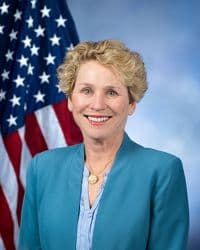
- Chrissy Houlahan
- Cosponsors
- - 0 - 2
- Introduced
- In Committee
What this bill would do
The Research Advancing to Market Production for Innovators Act aims to improve how small businesses move technology from the SBIR and STTR programs into the commercial market. It updates the peer review process to consider the likelihood of commercialization and requires agencies to appoint Technology Commercialization Officials. The bill increases flexibility for award funding and expands technical and business assistance, including cybersecurity and patent support. It also mandates a new annual report to assess the commercial impact of these programs.
Yes· 3 of 11
Would business owners be better off under this?+9
Directly benefits small business owners who receive SBIR/STTR awards through funding and guidance.
Does this make it easier to run a small business?+9
Provides significant increases in funding for technical/business assistance and creates dedicated officials to help small businesses commercialize technology.
Does this make patent and copyright rules fairer?+7
Establishes a prioritized patent examination program for SBIR/STTR recipients, speeding up IP protection.
The opposite
No question was scored the opposite.
Who it would affect, and how
Potential Positive Impacts for People
-
Better Expert Guidance: Federal agencies must designate a Technology Commercialization Official to help awardees transition technologies to the market and advocate for them to reach Phase III awards (Section 4).
-
Expanded Business Support: Award recipients can now choose their own technical and business assistance providers and use funds to hire or train staff (Section 5).
-
Increased Funding for Assistance: Phase I recipients can use up to $6,500 and Phase II recipients up to $50,000 for technical and business services (Section 5).
-
Enhanced Security and Legal Help: The bill adds cybersecurity assistance to provided services (Section 5) and creates a prioritized patent examination program through the USPTO (Section 8).
-
Educational Opportunities: Recipients can now opt into I-Corps teams courses to improve their innovation skills (Section 6).
Potential Negative Impacts for People
-
Stricter Funding Caps: For most Federal agencies, the total value of awards under the phase flexibility subsection is limited to 10 percent of total funds, though the NIH has a 30 percent limit and the Department of Defense has no limit (Section 3).
-
Increased Oversight: The government will conduct a "commercialization impact assessment" that tracks detailed financial and employee data for small businesses that have received 50 or more Phase II awards (Section 7).
-
Tighter Deadlines: Certain timeframes within the SBIR and STTR programs are being shortened from 1 year to 180 days (Section 2).
Groups and Interests Ranking
Every group the model scored this bill for, from -10 to +10. Hover a score for the reason it gave.
- Demographic And Interest Groups
- Good For Business Owners+9Good For Students+5Good For Middle Aged+4Good For Young Adults+4
- Economy And Finance
- Improves Small Business Support+9Improves Economic Growth+6Increases Job Creation+5
- Education And Technology
- Improves Intellectual Property Fairness+7
- National Security And Foreign Policy
- Improves Cybersecurity Defense+5
- Healthcare
- Increases Research Funding+3
- Governance And Ideology
- Improves Government Transparency+2
- 5/13/2025
- 1 Cosponsor added.
- 5/7/2025
- Referred to the Committee on Small Business, and in addition to the Committees on Science, Space, and Technology, and the Judiciary, for a period to be subsequently determined by the Speaker, in each case for consideration of such provisions as fall within the jurisdiction of the committee concerned.
- 1 Cosponsor added.
- Introduced in House
One bill Congress.gov lists as related to this one — companions in the other chamber, earlier versions, and bills this one absorbed or was folded into.
 Troy Balderson
Republican · Ohio
 Brian Fitzpatrick
Republican · Pennsylvania