Bill · H.R. 3156· House(119-HR-3156)
Jobs and Opportunity with Benefits and Services (JOBS) for Success Act of 2025
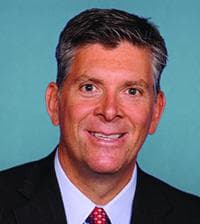
- Introduced
- 5/1/2025
- Last activity
- 5/1/2025 — Referred to the House Committee on Ways and Means.
- Sponsored by
- Darin LaHood
- Cosponsors
- - 2 - 0
- Introduced
- In Committee
What this bill would do
The JOBS for Success Act of 2025 aims to reauthorize and reform the Temporary Assistance for Needy Families program. It implements new requirements for individual opportunity plans, including assessments of skills and child well-being. The bill establishes performance accountability measures for states based on work outcomes and employment exits. It also introduces stricter rules regarding how funds are targeted to needy families and used for core purposes. Additionally, the Act increases oversight through HHS approval of state plans and requirements to measure improper payments.
Yes· 3 of 6
Is this likely to create jobs?+3
The bill expands allowable work activities to include apprenticeships and career technical education to help individuals gain skills.
Is this likely to lift people out of poverty?+3
The bill establishes poverty reduction as an official program purpose through increased employment entry and retention.
Is this likely to grow the economy?+2
The act includes a set-aside of up to 15 percent of funds for use during economic downturns to provide stability.
The opposite
No question was scored the opposite.
Who it would affect, and how
Potential Positive Impacts for People
-
Individualized Support Planning: The bill requires state agencies to create individual opportunity plans based on assessments of an individual's education, skills, and barriers to work, which includes job counseling and potential referrals for mental health or substance abuse treatment (Section 5).
-
Improved Career Pathways: The act expands allowable work activities to include apprenticeships and career technical education to help individuals gain skills (Section 6).
-
Support for Children: The bill requires assessments of the well-being of children in the family to determine necessary services (Section 5).
-
Economic Flexibility: States are permitted to reserve up to 15 percent of their funds for use without fiscal year limitations, which can help during economic downturns (Section 15).
-
Workplace Assistance: The bill defines "work supports" to include assistance such as transportation benefits, car payments, and uniforms to help families obtain and keep jobs (Section 17).
Potential Negative Impacts for People
-
Financial Penalties for Individuals: Individuals who fail to comply with their individual opportunity plans without good cause can face a reduction in their assistance payments (Section 5).
-
Strict Income Limitations: Assistance and services are prohibited for any family whose monthly income exceeds twice the poverty line (Section 7).
-
Restrictions on Funding: States are prohibited from using grant funds for direct spending on child care and other early childhood education programs (Section 7).
-
State Financial Risks: States can face financial penalties, such as a reduction in their annual grant, if they fail to meet specific work outcomes or engagement requirements (Section 6).
Groups and Interests Ranking
Every group the model scored this bill for, from -10 to +10. Hover a score for the reason it gave.
- Economy And Finance
- Increases Job Creation+3Improves Economic Growth+2
- Demographic And Interest Groups
- Good For Children+2Good For Low Income Households+2
- Social Issues And Justice
- Improves Poverty Reduction+3
- Healthcare
- Improves Mental Health Access+2
- 6/23/2025
- 2 Cosponsors added.
- 5/1/2025
- Referred to the House Committee on Ways and Means.
- Introduced in House
One bill Congress.gov lists as related to this one — companions in the other chamber, earlier versions, and bills this one absorbed or was folded into.
 Mike Carey
Republican · Ohio
 Rudy Yakym
Republican · Indiana