Bill · H.R. 312· House(119-HR-312)
Restoring Vehicle Market Freedom Act of 2025
- Introduced
- 1/9/2025
- Last activity
- 1/9/2025 — Referred to the House Committee on Ways and Means.
- Sponsored by
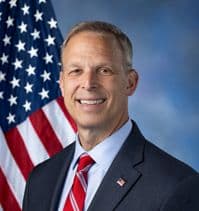
- Scott Perry
- Cosponsors
- - 2 - 0
- Introduced
- In Committee
What this bill would do
The Restoring Vehicle Market Freedom Act of 2025 aims to amend the Internal Revenue Code of 1986. The bill seeks to repeal several specific tax credits related to alternative fuel and clean vehicles. These include the previously owned clean vehicle credit, the alternative motor vehicle credit, and the alternative fuel vehicle refueling property credit. Additionally, the bill proposes to repeal the new qualified plug-in electric drive motor vehicle credit and the credit for qualified commercial clean vehicles. Various conforming amendments are included to adjust the tax code following these repeals.
Yes· 3 of 5
Does this make the government pay for what it commits to?+3
By eliminating specific tax credits, the bill reduces the volume of tax expenditures used by the federal government.
Does this reduce what the federal government owes?+2
Repealing several tax credits reduces federal revenue losses, which helps reduce the national debt.
Does this reduce what the federal government spends?+2
Eliminating these tax credits reduces the amount of government revenue foregone through tax expenditures.
The opposite· 3 of 13
Does this cut the pollution that drives climate change?-5
Removing incentives for electric vehicles and refueling infrastructure is likely to slow the transition away from fossil fuels, potentially increasing carbon emissions.
Does this cut taxes for middle-income families?-5
The bill removes tax credits for previously owned clean vehicles and plug-in electric drive motor vehicles, which increases the effective cost for middle-income families purchasing these vehicles.
Does this raise the taxes companies pay?-5
The repeal of the credit for qualified commercial clean vehicles increases the tax burden on businesses that rely on these credits for their fleets.
Who it would affect, and how
Potential Positive Impacts for People
The provided text does not list any specific positive outcomes or benefits for individuals or groups of people.
Potential Negative Impacts for People
-
Loss of Clean Vehicle Credits: The repeal of section 25E means the previously owned clean vehicle credit will no longer apply to vehicles acquired after the act's enactment (Section 3).
-
Loss of Alternative Motor Vehicle Credits: The repeal of section 30B means the alternative motor vehicle credit will be removed for property purchased after the act's enactment (Section 4).
-
Loss of Refueling Property Credits: The repeal of section 30C means the alternative fuel vehicle refueling property credit will no longer be available for property placed in service after the act's enactment (Section 5).
-
Loss of Plug-in Electric Drive Credits: The repeal of section 30D means the new qualified plug-in electric drive motor vehicle credit will be removed for vehicles acquired after the act's enactment (Section 6).
-
Loss of Commercial Clean Vehicle Credits: The repeal of section 45W means the credit for qualified commercial clean vehicles will no longer be available for vehicles acquired after the act's enactment (Section 7).
Groups and Interests Ranking
Every group the model scored this bill for, from -10 to +10. Hover a score for the reason it gave.
- Environment Energy And Infrastructure
- Reduces Carbon Emissions-5Increases Renewable Energy Investment-4Improves Environmental Protections-3Reduces Fossil Fuel Production-3
- Demographic And Interest Groups
- Good For High Income Households+1Good For Business Owners-4Good For Middle Class Households-4Good For Low Income Households-3Good For Rural Residents-2Good For Urban Residents-2
- Economy And Finance
- Improves Fiscal Responsibility+3Reduces Government Spending+2Reduces National Debt+2Reduces Inflation+1Increases Corporate Taxes-5Reduces Middle Class Taxes-5Improves Small Business Support-3Improves Economic Growth-2
- 1/9/2025
- Referred to the House Committee on Ways and Means.
- 2 Cosponsors added.
- Introduced in House
 Elijah Crane
Republican · Arizona
 Andrew Ogles
Republican · Tennessee