Bill · H.R. 3090· House(119-HR-3090)
I–PLAN Act of 2025
- Introduced
- 4/30/2025
- Last activity
- 4/30/2025 — Referred to the House Committee on Education and Workforce.
- Sponsored by
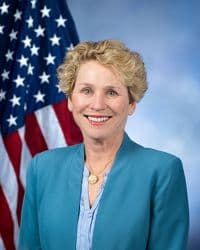
- Chrissy Houlahan
- Cosponsors
- - 3 - 4
- Introduced
- In Committee
What this bill would do
This bill establishes the Interstate Paid Leave Action Network (I-PLAN) to coordinate State paid family and medical leave programs. The network aims to create an interstate agreement that streamlines benefit delivery and reduces administrative burdens for employees, States, and employers. A national intermediary will be awarded a grant to facilitate meetings, produce annual reports, and develop a standardized technology system. Additionally, eligible States can receive conforming and implementation grants to support their participation and administration of these programs. The ultimate goal is to harmonize policy and administrative standards across participating States.
Yes· 3 of 9
Does this make it easier to run a small business?+5
The bill provides grants to states that may be used to help small businesses afford employer payroll contributions.
Would business owners be better off under this?+4
The bill aims to reduce administrative burdens for employers through standardized policies and technology.
Would households on low incomes be better off under this?+3
Enhanced coordination of paid leave benefits provides greater security for low-income workers.
The opposite
No question was scored the opposite.
Who it would affect, and how
Potential Positive Impacts for People
-
Streamlined Benefits and Reduced Burden: The I-PLAN seeks to facilitate streamlined benefit delivery and reduce the administrative burden for employees, States, and employers (Section 3(a)(1)).
-
Consistent Policy Standards: The creation of a single policy standard regarding definitions such as employee eligibility, coverage, and family members is intended to facilitate easier compliance and understanding of programs across different States (Section 3(b)(1)).
-
Improved Benefit Coordination: The bill aims to create a single process for State programs to process claims for individuals who have work history across multiple participating States (Section 3(b)(3)).
-
Support for Small Businesses: Grants provided to States may be used to help small businesses afford employer payroll contributions or access technical and operational assistance (Section 5(c)(2)).
Potential Negative Impacts for People
- Compliance Monitoring and Potential Funding Loss: The Secretary has the authority to withhold grant money from a national intermediary or a State if they are found to be not complying with the requirements of the Act (Section 4(c)(2), Section 5(a)(2)(B)).
Groups and Interests Ranking
Every group the model scored this bill for, from -10 to +10. Hover a score for the reason it gave.
- Demographic And Interest Groups
- Good For Business Owners+4Good For Low Income Households+3Good For Middle Class Households+3Good For Young Adults+2
- Economy And Finance
- Improves Small Business Support+5Improves Union Protections+2
- Social Issues And Justice
- Improves Poverty Reduction+3
- Governance And Ideology
- Improves Government Transparency+2
- Education And Technology
- Improves Internet Access+1
- 4/30/2025
- Referred to the House Committee on Education and Workforce.
- 7 Cosponsors added.
- Introduced in House
One bill Congress.gov lists as related to this one — companions in the other chamber, earlier versions, and bills this one absorbed or was folded into.
 Stephanie Bice
Republican · Oklahoma
 Donald Beyer
Democrat · Virginia
 Randy Feenstra
Republican · Iowa
 Jimmy Gomez
Democrat · California
 Julia Letlow
Republican · Louisiana
 Mariannette Miller-Meeks
Republican · Iowa
 Haley Stevens
Democrat · Michigan