Bill · H.R. 3060· House(119-HR-3060)
No Biometric Barriers to Housing Act of 2025
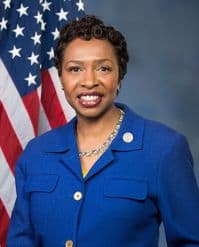
- Introduced
- 4/29/2025
- Last activity
- 4/29/2025 — Referred to the House Committee on Financial Services.
- Sponsored by
- Yvette Clarke
- Cosponsors
- - 4 - 0
- Introduced
- In Committee
What this bill would do
The "No Biometric Barriers to Housing Act of 2025" prohibits owners of covered federally assisted rental dwelling units from using biometric recognition technology. This includes facial, physical, and remote biometric technology used for surveillance or any use that negatively affects a tenant's ability to access affordable housing without bias and discrimination. The ban takes effect one year after the act is passed. Additionally, the Secretary of Housing and Urban Development must report to Congress on the past usage and impacts of these technologies in such units.
Yes· 3 of 26
Does this protect people from being watched or searched?+10
Strongly protects tenants from invasive biometric surveillance in their homes.
Would households on low incomes be better off under this?+9
Directly benefits residents of federally assisted housing by removing invasive surveillance.
Does this give people more control over their personal data?+9
Bans the collection and use of facial, physical, and remote biometric data in assisted housing.
The opposite
Does this give the government more power to monitor people inside the country?-8
Explicitly prohibits the increase of domestic biometric surveillance in federally assisted housing.
Would business owners be better off under this?-3
Restricts property owners' ability to use certain security technologies.
Does this leave more decisions to the states?-2
Imposes federal restrictions on how housing owners (including state/local agencies) manage their properties.
Who it would affect, and how
Potential Positive Impacts for People
-
Protection from Discriminatory Surveillance: The bill prohibits the use of facial, physical, and remote biometric recognition technology for surveillance or uses that adversely affect a tenant's ability to access affordable housing free from bias and discrimination (Section 2(a)).
-
Increased Transparency: The Secretary of Housing and Urban Development must create a public report describing known usage of biometric technology in covered units, its impact on residents, and potential effects on vulnerable communities, including those protected under the Fair Housing Act of 1968 (Section 3).
Potential Negative Impacts for People
- No negative impacts for people are explicitly mentioned in the provided text.
Groups and Interests Ranking
Every group the model scored this bill for, from -10 to +10. Hover a score for the reason it gave.
- Demographic And Interest Groups
- Good For Low Income Households+9Good For Native Americans+8Good For People With Disabilities+8Good For African Americans+7Good For Asian Americans+7Good For Hispanic Americans+7Good For Retirees+7Good For Seniors+7Good For Immigrants+6Good For Children+5Good For Middle Aged+5Good For Urban Residents+5Good For Young Adults+5Good For Rural Residents+4Good For White Americans+4Good For Business Owners-3
- Social Issues And Justice
- Improves Affordable Housing+7Improves Racial Equity+7Improves Disability Rights+6Improves Poverty Reduction+4Reduces Homelessness+3
- Governance And Ideology
- Improves Privacy Rights+10Improves Government Transparency+6Increases Federal Power+3Increase States Rights-2
- Education And Technology
- Improves Data Privacy+9Increases Big Tech Regulation+4
- National Security And Foreign Policy
- Increases Domestic Surveillance-8
- Economy And Finance
- Improves Consumer Protection+5
- 10/6/2025
- 1 Cosponsor added.
- 6/9/2025
- 1 Cosponsor added.
- 4/29/2025
- Referred to the House Committee on Financial Services.
- 2 Cosponsors added.
- Introduced in House
 Becca Balint
Democrat · Vermont
 Ayanna Pressley
Democrat · Massachusetts
 Delia Ramirez
Democrat · Illinois
 Rashida Tlaib
Democrat · Michigan