Bill · H.R. 2980· House(119-HR-2980)
Energy Cybersecurity University Leadership Act of 2025
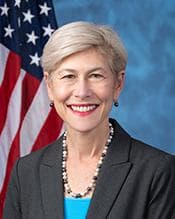
- Introduced
- 4/21/2025
- Last activity
- 4/21/2025 — Referred to the House Committee on Science, Space, and Technology.
- Sponsored by
- Deborah Ross
- Cosponsors
- - 0 - 1
- Introduced
- In Committee
What this bill would do
The Energy Cybersecurity University Leadership Act of 2025 directs the Secretary of Energy to create a program providing financial assistance to graduate students and postdoctoral researchers. This assistance is for those studying cybersecurity as it relates to energy infrastructure. The program includes scholarships, fellowships, and research projects. It also provides traineeship experiences at utilities and National Laboratories. Additionally, the Secretary must conduct outreach to minority-serving institutions, Tribal Colleges or Universities, and historically Black colleges and universities.
Yes· 3 of 20
Would students be better off under this?+8
Provides scholarships, fellowships, and research funding for graduate students.
Would people in their twenties and thirties be better off under this?+7
Directly benefits graduate students and postdoctoral researchers.
Does this better protect the country from computer attacks?+7
Directly funds the training of experts to protect energy infrastructure from cyber threats.
The opposite
Does this reduce what the federal government spends?-1
Creates a new federally funded financial assistance program.
Who it would affect, and how
Potential Positive Impacts for People
-
Financial Support for Advanced Education: Graduate students and postdoctoral researchers can receive scholarships, fellowships, and funding for research and development projects (Section 2(a)(2)(A)).
-
Professional Experience: Participants in the program gain research traineeship experiences at utilities and National Laboratories (Section 2(a)(2)(B)).
-
Inclusive Outreach: The program specifically targets outreach to minority-serving institutions, Tribal Colleges or Universities, and historically Black colleges and universities (Section 2(a)(2)(C)).
Potential Negative Impacts for People
- Limited Availability: Because financial assistance is provided on a competitive basis, not all qualifying students or researchers will receive funding (Section 2(a)(2)(A)).
Groups and Interests Ranking
Every group the model scored this bill for, from -10 to +10. Hover a score for the reason it gave.
- Demographic And Interest Groups
- Good For Students+8Good For Young Adults+7Good For African Americans+5Good For Native Americans+5Good For Asian Americans+4Good For Hispanic Americans+4Good For Low Income Households+4Good For Middle Class Households+3Good For Rural Residents+2Good For White Americans+2Good For Business Owners+1
- Education And Technology
- Increases Scientific Research Funding+6Improves College Affordability+5
- National Security And Foreign Policy
- Improves Cybersecurity Defense+7
- Social Issues And Justice
- Improves Racial Equity+3Improves Poverty Reduction+1
- Economy And Finance
- Increases Job Creation+2Improves Economic Growth+1Reduces Government Spending-1
- Environment Energy And Infrastructure
- Improves Rural Development+2
- Governance And Ideology
- Increases Federal Power+1
- 4/21/2025
- Referred to the House Committee on Science, Space, and Technology.
- 1 Cosponsor added.
- Introduced in House
 Mike Carey
Republican · Ohio