Bill · H.R. 2914· House(119-HR-2914)
NO LIMITS Act of 2025
- Introduced
- 4/14/2025
- Last activity
- 4/14/2025 — Referred to the House Committee on Foreign Affairs.
- Sponsored by
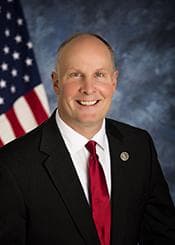
- John Moolenaar
- Cosponsors
- - 0 - 1
- Introduced
- In Committee
What this bill would do
The "NO LIMITS Act of 2025" seeks to impose sanctions on entities in the People's Republic of China that support the Russian Federation's military and defense sectors. The bill empowers the President to block transactions and property of foreign persons involved in malicious cyber activities, dual-use technology research, or the circumvention of U.S. sanctions. It specifically targets known Chinese military companies operating within the Russian Federation. Additionally, the act expands subsidiary controls to prevent the diversion of goods to Russia's war effort. The bill includes specific lists of entities subject to these potential actions.
Yes
Does this better protect the country from computer attacks?+5
The bill empowers the President to sanction entities involved in malicious cyber-enabled activities.
Does this give the federal government more power?+5
The bill expands the President's authority to impose sanctions and control transactions.
Does this strengthen ties with allied countries?+4
By targeting support for Russia, the bill aligns US policy with allies supporting Ukraine.
The opposite
Does this make trade with other countries easier?-2
The bill imposes export controls and sanctions that restrict trade with Chinese entities.
Who it would affect, and how
Potential Positive Impacts for People
-
Protection of National Security: The bill aims to protect the national security of the United States by creating new authorities to address the blurring lines between civilian and governmental defense apparatuses in the People's Republic of China (Section 2(a)(5)).
-
Disruption of Military Support: The act seeks to cut off financing avenues for entities providing materiel support to the Russian Federation's defense and related materiel sectors (Section 2(b)(1)).
-
Prevention of Technology Diversion: The bill intends to prevent the diversion of dual-use technology to the Russian Federation through export control restrictions (Section s 2(b)(3)).
-
Countering Sanction Evasion: The President is granted authority to sanction those facilitating the evasion, circumvention, or violation of United States export controls or sanctions (Section 3(a)(2)(C)).
Potential Negative Impacts for People
-
Financial Restrictions on Foreign Persons: The President is authorized to block and prohibit all transactions in property and interests in property of specific foreign persons (Section 3(c)(1)).
-
Potential Economic Impact on Listed Entities: Various specific companies, including those in the aviation, technology, and maritime sectors, are listed as "known Chinese military companies" subject to sanctions (Section 3(e)(6)).
-
Penalties for Non-Compliance: Any person who violates or attempts to violate the prohibitions of this section may face penalties under the International Emergency Economic Powers Act (Section 3(c)(3)).
Groups and Interests Ranking
Every group the model scored this bill for, from -10 to +10. Hover a score for the reason it gave.
- National Security And Foreign Policy
- Improves Cybersecurity Defense+5Improves International Alliances+4Improves International Trade-2
- Governance And Ideology
- Increases Federal Power+5
- 4/14/2025
- Referred to the House Committee on Foreign Affairs.
- 1 Cosponsor added.
- Introduced in House
 Jimmy Panetta
Democrat · California