Bill · H.R. 2899· House(119-HR-2899)
PROTECT Students Act of 2025
- Introduced
- 4/10/2025
- Last activity
- 4/10/2025 — Referred to the Committee on Education and Workforce, and in addition to the Committee on the Judiciary, for a period to be subsequently determined by the Speaker, in each case for consideration of such provisions as fall within the jurisdiction of the committee concerned.
- Sponsored by
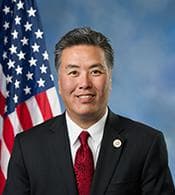
- Mark Takano
- Cosponsors
- - 5 - 0
- Introduced
- In Committee
What this bill would do
The PROTECT Students Act of 2025 aims to increase accountability within higher education through enhanced oversight and transparency. It introduces strict debt-to-earnings and earnings premium standards to ensure programs provide financial value to students. The bill strengthens borrower defenses against misrepresentations and provides for loan discharges in cases of school closures. It also prohibits institutions from limiting a student's ability to take legal action and restricts the withholding of transcripts due to unpaid balances. Finally, the legislation establishes new enforcement units and coordination committees to monitor institutions and third-party servicers more effectively.
Yes· 3 of 8
Would students be better off under this?+9
The bill is highly positive for students as it provides financial safeguards, legal recourse, and increased transparency.
Does this give people more protection from unfair business practices?+8
The bill significantly enhances consumer protections for students by establishing strict debt-to-earnings standards and strengthening borrower defense rights.
Does this make college cost less?+7
The bill enhances financial security for students through loan discharges for school closures and misrepresentations.
The opposite
Would business owners be better off under this?-5
Educational institutions face increased regulatory burdens and potential liability risks under this act.
Who it would affect, and how
Potential Positive Impacts for People
-
Financial Value Protections: The bill establishes debt-to-earnings and earnings premium standards, which prevent institutions from receiving funds for programs that fail to meet these financial benchmarks (Section 101).
-
Loan Discharge for Misrepresentation: Students can receive a discharge of their loans if an institution makes substantial misrepresentations regarding educational programs, financial charges, or graduate employability (Section s 102).
-
Protection Against School Closures: Borrowers whose schools close are entitled to a discharge of their liability on the loan, providing a safety net when an institution ceases to provide instruction (Section 103).
-
Access to Legal Redress: The bill prohibits institutions from using enrollment agreements to limit a student's right to pursue legal claims or jury trials (Section 104).
-
Transcript Accessibility: Students will no longer have official transcripts withheld by an institution due to an outstanding balance (Section 104).
-
Improved Information for Students: New requirements for job placement rate definitions and transparency for online programs will help students make more informed decisions (Section 202, Section 401).
-
Enhanced Complaint Resolution: The creation of a centralized complaint tracking system allows students to report issues and receive timely responses (Section 303).
Potential Negative Impacts for People
-
Impact on Program Eligibility: Institutions that fail to meet specific debt-to-earnings or earnings premium standards for two out of three consecutive years may be prohibited from disbursing program funds (Section 101).
-
Increased Financial Burdens for Institutions: Institutions are required to spend a specific percentage of their tuition and fee revenue on instruction, which may impact their operational flexibility (Section 203).
-
Liability and Recoupment Risks: The Secretary is authorized to seek to recoup funds from institutions due to student loan discharges or findings of misconduct (Section 205).
-
Increased Regulatory Compliance Costs: Institutions face new requirements for annual reporting, data matching, and independent audits (Section 101, Section 105, Section 203).
Groups and Interests Ranking
Every group the model scored this bill for, from -10 to +10. Hover a score for the reason it gave.
- Demographic And Interest Groups
- Good For Students+9Good For Young Adults+6Good For Low Income Households+5Good For Business Owners-5
- Education And Technology
- Improves College Affordability+7Improves Student Loan Relief+7
- Governance And Ideology
- Improves Government Transparency+6Increases Federal Power+5
- Economy And Finance
- Improves Consumer Protection+8
- 5/21/2025
- 1 Cosponsor added.
- 4/10/2025
- Referred to the Committee on Education and Workforce, and in addition to the Committee on the Judiciary, for a period to be subsequently determined by the Speaker, in each case for consideration of such provisions as fall within the jurisdiction of the committee concerned.
- 4 Cosponsors added.
- Introduced in House
One bill Congress.gov lists as related to this one — companions in the other chamber, earlier versions, and bills this one absorbed or was folded into.
 Alma Adams
Democrat · North Carolina
 Raja Krishnamoorthi
Democrat · Illinois
 Susie Lee
Democrat · Nevada
 Gregory Meeks
Democrat · New York
 Maxine Waters
Democrat · California