Bill · H.R. 2811· House(119-HR-2811)
SNAP Staffing Flexibility Act of 2025
- Introduced
- 4/10/2025
- Last activity
- 4/10/2025 — Referred to the House Committee on Agriculture.
- Sponsored by
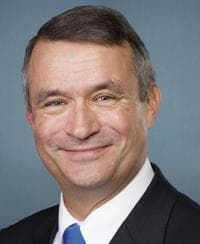
- Don Bacon
- Cosponsors
- - 1 - 0
- Introduced
- In Committee
What this bill would do
The SNAP Staffing Flexibility Act of 2025 aims to amend the Food and Nutrition Act of 2008. This bill allows state agencies to hire contractors to handle SNAP certification or other program functions through a blended workforce. States may use this authority during events like health emergencies, seasonal cycles, staffing shortages, or natural disasters. The bill requires that these contractors have no financial interest in approved retail stores and that contracts do not incentivize denying or delaying eligibility. Additionally, the Secretary of Agriculture must provide public notification and submit annual reports to Congress.
Yes· 3 of 7
Would households on low incomes be better off under this?+5
Faster processing of SNAP applications provides more reliable assistance for low-income households during emergencies or shortages.
Is this likely to lift people out of poverty?+5
By allowing more flexible staffing, the bill aims to improve the timely processing of SNAP benefits which helps mitigate food insecurity.
Does this make what the government does easier for the public to see?+4
The bill mandates that state notifications and supporting data be made available to the public on the USDA website.
The opposite
No question was scored the opposite.
Who it would affect, and how
Potential Positive Impacts for People
-
Improved Processing Timelines: State agencies can use contractors to help when they experience increases in applications or cannot process them in a timely manner due to pandemics, seasonal cycles, staffing shortages, or natural disasters (Sec. 2, paragraph 2).
-
Protections Against Unfair Denials: The bill prohibits contracts that provide incentives for agencies or contractors to delay or deny eligibility for those who are otherwise eligible for benefits (Sec. 2, paragraph 1, subparagraph A).
-
Prevention of Conflicts of Interest: To ensure fairness, the bill requires that contractors have no direct or indirect financial interest in an approved retail store (Sec. 2, paragraph 1, subparagraph B).
-
Transparency and Oversight: The Secretary must make state notifications and supporting data available to the public on the Department of Agriculture website within 10 days (Sec. 2, paragraph 5).
Potential Negative Impacts for People
- Potential Displacement of State Workers: The bill specifies that the use of contractors must be part of a blended workforce and must not supplant existing merit-based personnel in the State (Sec. 2, paragraph 3, subparagraph B).
Groups and Interests Ranking
Every group the model scored this bill for, from -10 to +10. Hover a score for the reason it gave.
- Governance And Ideology
- Improves Government Transparency+4Improves Due Process+3Increase States Rights+3
- Demographic And Interest Groups
- Good For Low Income Households+5Good For Union Workers+2
- Social Issues And Justice
- Improves Poverty Reduction+5
- Economy And Finance
- Improves Union Protections+2
- 4/10/2025
- Referred to the House Committee on Agriculture.
- 1 Cosponsor added.
- Introduced in House
One bill Congress.gov lists as related to this one — companions in the other chamber, earlier versions, and bills this one absorbed or was folded into.
 David Rouzer
Republican · North Carolina