Bill · H.R. 2770· House(119-HR-2770)
TAME Extreme Weather and Wildfires Act
- Introduced
- 4/9/2025
- Last activity
- 4/9/2025 — Referred to the House Committee on Science, Space, and Technology.
- Sponsored by
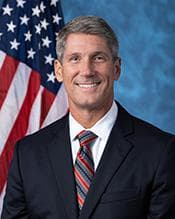
- Scott Franklin
- Cosponsors
- None
- Introduced
- In Committee
What this bill would do
This bill, known as the "TAME Extreme Weather and Wildfires Act," directs the National Oceanic and Atmospheric Administration (NOAA) to use artificial intelligence to improve weather forecasting. The Under Secretary of Commerce for Oceans and Atmosphere is tasked with developing comprehensive weather forecasting training datasets and exploring artificial intelligence weather models. The legislation also establishes a fire environment modeling program to predict and detect wildfires while warning at-risk communities and responders. Additionally, the act encourages partnerships with private and academic entities to advance environmental forecasting science. Finally, it outlines provisions for workforce development and public data access.
Yes· 3 of 6
Does this put more money into scientific research?+7
The act directs NOAA to develop new AI weather models and research datasets, advancing environmental science.
Does this improve help for people hit by a disaster?+6
The bill enhances wildfire prediction and warning capabilities to improve emergency response and community preparedness.
Does this better protect air, water and wildlife?+5
The bill requires developing best practices to minimize environmental impacts of using artificial intelligence.
The opposite
No question was scored the opposite.
Who it would affect, and how
Potential Positive Impacts for People
-
Improved Public Safety and Preparedness: The Under Secretary may use artificial intelligence to enhance the dissemination of information to improve public understanding, preparedness, and resilience (Section 3(c)(2)). Additionally, the fire environment modeling program aims to warn at-risk communities, firefighters, and other responders (Section 6(a)(1)).
-
Better Wildfire Prediction: The bill directs the development of a program to predict and detect wildfires to the maximum extent practicable (Section 6(a)(2)). This includes forecasting fire behavior and potential impacts based on weather, terrain, and observations (Section 6(a)(3)).
-
Enhanced Weather Forecasts: The bill explores using artificial intelligence to improve data assimilation techniques and use models to assess the reliability of weather forecasts (Section 4). It also aims to improve impact-based decision support for communities (Section 4(3)).
-
Public Access to Information: The Under Secretary may make available to the public any data or code developed under this Act at no cost, with no restrictions on copying, publishing, or distributing under an open license (Section 9(a)).
Potential Negative Impacts for People
-
Environmental Concerns: The use of artificial intelligence carries potential environmental impacts, requiring the Under Secretary to develop and disseminate best practices to minimize them (Section 3(e) and Section 6(e)).
-
Security and Privacy Risks: The public release of models or data must be managed carefully so it does not jeopardize national security, intellectual property, or trade secrets (Section 9(b)).
Groups and Interests Ranking
Every group the model scored this bill for, from -10 to +10. Hover a score for the reason it gave.
- Environment Energy And Infrastructure
- Improves Disaster Relief And F E M A+6Improves Environmental Protections+5
- Education And Technology
- Increases Scientific Research Funding+7
- Governance And Ideology
- Improves Government Transparency+5Increases Federal Power+2
- Demographic And Interest Groups
- Good For Rural Residents+5
- 4/9/2025
- Referred to the House Committee on Science, Space, and Technology.
- Introduced in House