Bill · H.R. 2706· House(119-HR-2706)
Aid Accountability Act of 2025
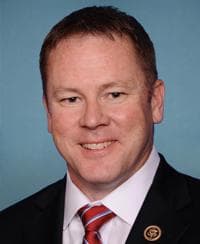
- Introduced
- 4/8/2025
- Last activity
- 4/8/2025 — Referred to the Committee on Foreign Affairs, and in addition to the Committee on Rules, for a period to be subsequently determined by the Speaker, in each case for consideration of such provisions as fall within the jurisdiction of the committee concerned.
- Sponsored by
- Warren Davidson
- Cosponsors
- - 6 - 0
- Introduced
- In Committee
What this bill would do
This bill, known as the "Aid Accountability Act of 2025," aims to change the rules for section 104(f) of the Foreign Assistance Act of 1961. It introduces strict penalties for Federal employees who knowingly violate specific requirements. These penalties include termination from employment and a permanent ban on future Federal jobs. Additionally, employees could be forced to pay back the amount of funds that were illegally allocated. The bill also targets recipients of Federal funds, such as grantees or contractors, by banning them from receiving future funds if they violate requirements. Finally, it grants the Secretary of State the power to make final determinations on these violations and requires reports to Congress.
Yes· 3 of 5
Does this make the government pay for what it commits to?+5
The bill introduces strict accountability measures for the allocation of federal funds.
Does this give the federal government more power?+5
The bill grants the Secretary of State final authority over violation determinations.
Does this make what the government does easier for the public to see?+4
The bill mandates reporting to Congress regarding violations and corrective actions.
The opposite
Would business owners be better off under this?-5
Contractors and grantees face permanent bans from receiving federal funds for violations.
Does this protect the right to fair treatment by the courts?-4
The bill limits judicial review for Secretary of State determinations to specific court channels.
Does this send more money or help to other countries?-3
The bill imposes strict penalties that may discourage or restrict the distribution of foreign assistance.
Who it would affect, and how
Potential Positive Impacts for People
-
Accountability for Federal Employees: According to Section 2, subparagraph (A)(i), a Federal employee who knowingly violates requirements shall be terminated and may not receive Federal employment in the future. This creates a strict standard for those working within the government.
-
Restitution for the Government: Section 2, subparagraph (A)(ii) states that violating employees shall be fiscally liable for an amount equal to the illegally allocated funds. This is intended to provide restitution to the Federal government.
-
Accountability for Recipients: Under Section 2, subparagraph (B), any grantee, sub-grantee, contractor, or other recipient of Federal funds who violates requirements may not receive any Federal funds in the future.
-
Transparency Through Reporting: Section 2, subparagraph (C)(ii) requires the Secretary of State to submit a report to Congress within 60 days of a violation determination. This report must include the nature of the violation, who was involved, and what will be done to prevent it from happening again.
Potential Negative Impacts for People
-
Employment and Future Career Restrictions: Section 2, subparagraph (A)(i) establishes that a Federal employee who violates requirements shall be terminated and may be barred from any future Federal employment.
-
Financial Burdens on Individuals: Under Section 2, subparagraph (A)(ii), an individual may be held fiscally liable for an amount equal to the funds illegally allocated to the violating activity.
-
Loss of Funding for Organizations: Section 2, subparagraph (B) provides that a grantee, sub-grantee, contractor, or other recipient may be prohibited from receiving any Federal funds in the future if they violate requirements.
-
Concentrated Authority: Section 2, subparagraph (C)(i) states that the Secretary of State shall make final determinations of violations and penalties, and these determinations are not subject to review or reversal except by a Federal court.
Groups and Interests Ranking
Every group the model scored this bill for, from -10 to +10. Hover a score for the reason it gave.
- Economy And Finance
- Improves Fiscal Responsibility+5Reduces Government Spending+1Reduces National Debt+1
- Demographic And Interest Groups
- Good For Business Owners-5
- Governance And Ideology
- Increases Federal Power+5Improves Government Transparency+4Improves Due Process-4
- National Security And Foreign Policy
- Increases Foreign Aid-3
- 5/13/2025
- 1 Cosponsor added.
- 4/28/2025
- 1 Cosponsor added.
- 4/17/2025
- 1 Cosponsor added.
- 4/8/2025
- Referred to the Committee on Foreign Affairs, and in addition to the Committee on Rules, for a period to be subsequently determined by the Speaker, in each case for consideration of such provisions as fall within the jurisdiction of the committee concerned.
- 3 Cosponsors added.
- Introduced in House
 Andy Biggs
Republican · Arizona
 Sheri Biggs
Republican · South Carolina
 Ben Cline
Republican · Virginia
 Lance Gooden
Republican · Texas
 John Rose
Republican · Tennessee
 Christopher Smith
Republican · New Jersey