Bill · H.R. 2651· House(119-HR-2651)
One Door to Work Act
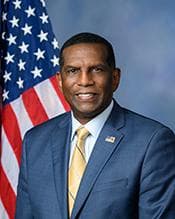
- Introduced
- 4/3/2025
- Last activity
- 4/3/2025 — Referred to the House Committee on Education and Workforce.
- Sponsored by
- Burgess Owens
- Cosponsors
- - 1 - 0
- Introduced
- In Committee
What this bill would do
The "One Door to Work Act" seeks to amend the Workforce Innovation and Opportunity Act. It establishes a State innovation demonstration authority that allows States, local areas, or consortia of local areas to apply for 5-year demonstration projects. These projects aim to use consolidated grants to pursue innovative reforms for better outcomes for jobseekers, employers, and taxpayers. The bill authorizes the Secretary to waive various statutory and regulatory requirements during these periods. To ensure accountability, the bill requires rigorous third-party evaluations of the project results.
Yes· 3 of 11
Would veterans be better off under this, taking everything together?+5
The bill specifically mandates priority of service for veterans and their eligible spouses.
Is this likely to create jobs?+5
The bill aims to improve employment outcomes through innovative demonstration projects.
Does this increase the pay, pensions or support veterans receive?+5
The bill mandates priority service for veterans and their eligible spouses.
The opposite
Does this give the federal government more power?-2
The bill allows for the waiver of existing statutory and regulatory requirements, potentially centralizing control through consolidated grants.
Who it would affect, and how
Potential Positive Impacts for People
-
Innovative Workforce Reforms: The bill allows for demonstration projects to pursue innovative reforms intended to achieve better outcomes for jobseekers, employers, and taxpayers (Section 2(a)(1)).
-
Improved Employment and Earnings Outcomes: The goal of the demonstration projects is to achieve better outcomes for jobseekers through innovative strategies (Section 2(a)(1)).
-
Targeted Service Priority: Demonstration projects are required to give priority for services to specific groups, including veterans and their eligible spouses, recipients of public assistance, low-income individuals, and individuals who are basic skills deficient (Section 2(e)(3)).
-
Rigorous Outcome Tracking: The Secretary must contract with a third-party evaluator to conduct rigorous evaluations that compare employment and earnings outcomes of participants against those not in the demonstration project to ensure effectiveness (Section 2(b)(3)(A)(ii)).
Potential Negative Impacts for People
-
Waiver of Statutory Protections: The Secretary is authorized to waive all statutory and regulatory requirements of subtitle A and subtitle B of the Act for the duration of the demonstration project (Section 2(b)(1)(A)).
-
Requirement for Higher Participant Numbers: Demonstration projects must serve a number of participants that is greater than the number served by core programs in the most recent prior program year, or a number agreed upon with the Secretary (Section 2(e)(4)).
Groups and Interests Ranking
Every group the model scored this bill for, from -10 to +10. Hover a score for the reason it gave.
- Demographic And Interest Groups
- Good For Veterans+5Good For Low Income Households+4Good For Business Owners+3Good For Young Adults+3
- Economy And Finance
- Increases Job Creation+5Improves Economic Growth+3Improves Fiscal Responsibility+2
- National Security And Foreign Policy
- Improves Veterans Benefits+5
- Governance And Ideology
- Increase States Rights+4Improves Government Transparency+2Increases Federal Power-2
- Social Issues And Justice
- Improves Poverty Reduction+4
- 4/23/2026
- 1 Cosponsor added.
- 4/3/2025
- Referred to the House Committee on Education and Workforce.
- Introduced in House
 Sheri Biggs
Republican · South Carolina