Bill · H.R. 2407· House(119-HR-2407)
SNAP Reform and Upward Mobility Act of 2025
- Introduced
- 3/27/2025
- Last activity
- 4/18/2025 — Referred to the Subcommittee on Nutrition and Foreign Agriculture.
- Sponsored by
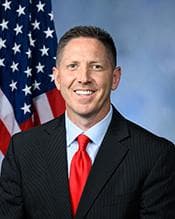
- Josh Brecheen
- Cosponsors
- - 2 - 0
- Introduced
- In Committee
What this bill would do
This bill, titled the "SNAP Reform and Upward Mobility Act of 2025," aims to assist individuals receiving Supplemental Nutrition Assistance Program (SNAP) benefits in achieving self-sufficiency. It introduces new methods for measuring poverty by collecting more detailed data on federal benefits and income through the Census Bureau. The legislation also implements various modifications to the SNAP program, including stricter work requirements and hour-based mandates. Additionally, it requires States to contribute matching funds for program administration. The bill also establishes rules for electronic benefit transfer (EBT) card usage and fraud investigation compliance.
Yes· 3 of 4
Does this make what the government does easier for the public to see?+2
The bill mandates new data collection and reporting requirements to provide a better picture of poverty and program outcomes.
Is this likely to create jobs?+1
The bill's emphasis on work requirements and training outcomes aims to transition participants into the workforce.
Does this reduce what the federal government spends?+1
Stricter eligibility and work requirements are intended to reduce long-term program dependency and spending.
The opposite
Would households on low incomes be better off under this?-5
Stricter work requirements, tighter eligibility criteria, and penalties for EBT use may negatively affect low-income households.
Is this likely to lift people out of poverty?-3
Stricter work requirements and eligibility criteria may create barriers to food security for the most vulnerable.
Does this leave more decisions to the states?-2
The bill increases the financial burden on states through mandatory matching funds for administration.
Who it would affect, and how
Potential Positive Impacts for People
-
Improved Poverty Measurement: The bill directs the Census Bureau to collect more detailed data regarding federal benefits, market income, and taxes to more accurately determine poverty levels and the effectiveness of anti-poverty programs (Section 101(b)(1)).
-
Increased Accountability through Reporting: The Secretary of Agriculture is required to submit a report detailing the outcomes of employment and training programs, including job retention and wage changes, to track the success of these programs (Section 202).
-
Enhanced Fraud Prevention: The bill implements stricter rules regarding EBT card usage and requires individuals to cooperate with fraud investigations to maintain eligibility (Section 205 and Section 206).
-
Support for Retail Food Stores: State agencies have the discretion to allow retail food stores that would otherwise be disqualified due to violations to continue participating if the disqualification would cause hardship to participants (Section 209(a)(4)(A)).
Potential Negative Impacts for People
-
Increased Work Requirements: The bill implements new hour-based work requirements and changes the duration of requirements for SNAP participants (Section 201).
-
Increased Financial Burden on States: States participating in the SNAP program will be required to contribute matching funds for program administration, starting at 10 percent and increasing to 50 percent by fiscal year 2033 (Section 203).
-
Stricter Eligibility Criteria: The bill introduces a requirement that a household must receive a cash or noncash means-tested public benefit for at least six consecutive months, valued at no less than $50, to be deemed eligible (Section 204).
-
Penalties for EBT Card Misuse: Households may face the suspension of benefits if an unauthorized user utilizes their EBT card a certain number of times (Section 206).
-
Stricter Food Definitions: The definition of food for the program is modified to only include items that the Secretary determines are essential (Section 201(b)).
Groups and Interests Ranking
Every group the model scored this bill for, from -10 to +10. Hover a score for the reason it gave.
- Demographic And Interest Groups
- Good For Low Income Households-5
- Economy And Finance
- Improves Fiscal Responsibility+1Increases Job Creation+1Reduces Government Spending+1
- Social Issues And Justice
- Improves Poverty Reduction-3
- Governance And Ideology
- Improves Government Transparency+2Increase States Rights-2
- 4/18/2025
- Referred to the Subcommittee on Nutrition and Foreign Agriculture.
- 3/27/2025
- Referred to the Committee on Agriculture, and in addition to the Committee on Oversight and Government Reform, for a period to be subsequently determined by the Speaker, in each case for consideration of such provisions as fall within the jurisdiction of the committee concerned.
- 2 Cosponsors added.
- Introduced in House
One bill Congress.gov lists as related to this one — companions in the other chamber, earlier versions, and bills this one absorbed or was folded into.
 Glenn Grothman
Republican · Wisconsin
 Mike Kennedy
Republican · Utah