Bill · H.R. 2358· House(119-HR-2358)
ESG Act of 2025
- Introduced
- 3/26/2025
- Last activity
- 3/26/2025 — Referred to the House Committee on Financial Services.
- Sponsored by
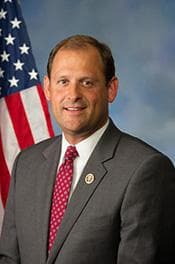
- Andy Barr
- Cosponsors
- - 1 - 0
- Introduced
- In Committee
What this bill would do
This bill, known as the "Ensuring Sound Guidance Act of 2025," aims to amend the Investment Advisers Act of 1940. It establishes that a customer's best interest must be determined using pecuniary factors, which cannot be limited by non-pecuniary factors without written consent. The bill also requires the SEC to conduct a study on climate change and environmental disclosures within the municipal bond market. Additionally, the SEC must conduct a study regarding the solicitation of municipal securities business. These studies include requirements for public comment and a report to Congress.
Yes· 3 of 8
Would business owners be better off under this?+1
The bill includes a study that may identify benefits or barriers for small businesses.
Would Black Americans be better off under this?+1
The bill requires a study into the impact of rules on minority-owned businesses.
Would women be better off under this?+1
The bill requires a study into the impact of rules on women-owned businesses.
The opposite
Does this give people more protection from unfair business practices?-2
The bill prioritizes pecuniary factors in investment advice, which may limit non-financial consumer priorities.
Who it would affect, and how
Potential Positive Impacts for People
-
Transparency in Investment Decisions: If a customer chooses to consider non-pecuniary factors, the bill requires brokers or investment advisers to disclose expected effects over a set time period and provide a comparison of actual effects against an index, including all associated fees and costs (Section 2).
-
Insight into Environmental Disclosures: The SEC will conduct a study to determine how municipal security issuers disclose climate change and environmental matters, which includes analyzing how investors use these disclosures (Section 3).
-
Risk Assessment for Municipal Investors: The study on environmental disclosures will include a discussion of financial risks to investors and whether those risks are being adequately disclosed (Section 3).
-
Evaluation of Political Process Fairness: A study will be conducted to analyze whether persons subject to certain rules are disadvantaged from participating in the political process compared to others (Section 4).
-
Support for Small and Minority-Owned Businesses: The study on municipal securities business solicitation will include an analysis of how covered rules have affected persons affiliated with small businesses, as well as minority and women-owned businesses (Section 4).
Potential Negative Impacts for People
-
Restrictions on Investment Priorities: The bill dictates that a customer's best interest must be determined by pecuniary factors, and these factors may not be subordinated to or limited by non-pecueciary factors unless the customer provides specific informed consent in writing (Section 2).
-
Increased Disclosure Burdens: For customers who do provide written consent to consider non-pecuniary factors, investment advisers must disclose expected pecuniary effects and later provide a comparison of actual effects, including all fees and costs (Section 2).
Groups and Interests Ranking
Every group the model scored this bill for, from -10 to +10. Hover a score for the reason it gave.
- Demographic And Interest Groups
- Good For African Americans+1Good For Business Owners+1Good For Women+1
- Social Issues And Justice
- Improves Gender Equality+1Improves Racial Equity+1
- Economy And Finance
- Improves Small Business Support+1Improves Consumer Protection-2
- Environment Energy And Infrastructure
- Improves Environmental Protections+1
- Governance And Ideology
- Improves Government Transparency+1
- 3/26/2025
- Referred to the House Committee on Financial Services.
- 1 Cosponsor added.
- Introduced in House
 Bill Huizenga
Republican · Michigan