Bill · H.R. 234· House(119-HR-234)
HOV Lanes for Heroes Act
- Introduced
- 1/7/2025
- Last activity
- 1/8/2025 — Referred to the Subcommittee on Highways and Transit.
- Sponsored by
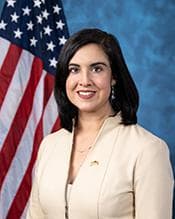
- Nicole Malliotakis
- Cosponsors
- - 2 - 2
- Introduced
- In Committee
What this bill would do
This bill, titled the "HOV Lanes for Heroes Act," aims to allow certain veterans to use high occupancy vehicle lanes. Specifically, it focuses on providing access to disabled veterans. The legislation would amend title 23 of the United States Code to include these provisions. It allows public authorities to permit these veterans to use HOV facilities even when they are the sole occupant. The bill also allows for the possibility of no toll charges for these individuals.
Yes· 3 of 6
Would veterans be better off under this, taking everything together?+5
The bill grants specific transit privileges and potential toll exemptions to disabled veterans.
Would people with disabilities be better off under this?+5
The bill provides greater transit flexibility for veterans with service-connected disabilities.
Does this expand the rights of people with disabilities?+5
The bill allows disabled veterans to use HOV lanes as single occupants, increasing their mobility and access to transport facilities.
The opposite
No question was scored the opposite.
Who it would affect, and how
Potential Positive Impacts for People
-
Increased mobility for disabled veterans: The bill allows a disabled veteran to use an HOV facility even if they are the only person in the vehicle, which provides an exception to standard occupancy requirements (Section 2(a)(B) and (C)).
-
Financial relief through toll exemptions: Public authorities are given the option to charge no toll to these qualified individuals (Section 2(a)(D)).
-
Clear identification standards: The bill provides ways for veterans to prove their status, such as using a specific license plate, a registered transponder, or other methods deemed necessary by the public authority (Section 2(a)(A)).
Potential Negative Impacts for People
-
Discretionary requirements for qualification: The ability to use the facility depends on the public authority determining a specific disability percentage as qualifying (Section 2(a)(B)).
-
Potential burden of identification: Veterans may need to obtain specific license plates, transponders, or other methods of identification required by a public authority to qualify for use (Section 2(a)(A)).
Groups and Interests Ranking
Every group the model scored this bill for, from -10 to +10. Hover a score for the reason it gave.
- Demographic And Interest Groups
- Good For People With Disabilities+5Good For Veterans+5Good For Low Income Households+3
- Social Issues And Justice
- Improves Disability Rights+5
- National Security And Foreign Policy
- Improves Veterans Benefits+4
- Environment Energy And Infrastructure
- Improves Roads And Bridges+2
- 8/24/2026
- 1 Cosponsor added.
- 10/17/2025
- 1 Cosponsor added.
- 1/22/2025
- 1 Cosponsor added.
- 1/14/2025
- 1 Cosponsor added.
- 1/8/2025
- Referred to the Subcommittee on Highways and Transit.
- 1/7/2025
- Referred to the House Committee on Transportation and Infrastructure.
- Introduced in House
 James Baird
Republican · Indiana
 Josh Gottheimer
Democrat · New Jersey
 Pete Stauber
Republican · Minnesota
 Eugene Vindman
Democrat · Virginia