Bill · H.R. 2214· House(119-HR-2214)
DRUG Act
- Introduced
- 3/18/2025
- Last activity
- 3/18/2025 — Referred to the Committee on Energy and Commerce, and in addition to the Committees on Ways and Means, and Education and Workforce, for a period to be subsequently determined by the Speaker, in each case for consideration of such provisions as fall within the jurisdiction of the committee concerned.
- Sponsored by
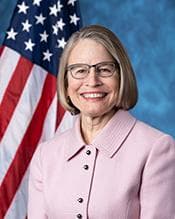
- Mariannette Miller-Meeks
- Cosponsors
- - 2 - 4
- Introduced
- In Committee
What this bill would do
This bill, titled the "Delinking Revenue from Unfair Gouging Act" or the "DRUG Act," aims to improve services provided by pharmacy benefit managers. Starting January 1, 2027, it prohibits these managers from receiving remuneration for services or drug benefit administration, except for specific "bona fide service fees." These allowed fees must be flat dollar amounts and cannot be based on drug prices, discounts, or rebates. The law establishes strict enforcement through disgorgement of payments and daily civil penalties. It amends the Public Health Service Act, ERISA, and the Internal Revenue Code to implement these changes.
Yes· 3 of 6
Does this lower the price of prescription medicines?+6
The bill aims to lower prescription drug costs by ensuring rebates and discounts are passed through to plans rather than kept as profit by PBMs.
Does this give people more protection from unfair business practices?+5
The bill enhances consumer protection by preventing pharmacy benefit managers from using profit-driven drug pricing models.
Does this lower what people pay for private health insurance?+4
By decoupling service fees from drug prices, the bill may lead to lower net costs for insurance issuers and plans.
The opposite
No question was scored the opposite.
Who it would affect, and how
Potential Positive Impacts for People
-
Standardization of Fees: Pharmacy benefit managers can charge a "bona fide service fee," which is defined as a flat dollar amount equal to the fair market value of an actual service performed. This provides a clear and predictable way for services to be compensated (Section 2(a)(b)(1)).
-
Removal of Price-Based Incentives: The bill prevents pharmacy benefit managers from basing their compensation on drug prices, such as wholesale acquisition costs or benchmark prices. This ensures fees are not contingent upon how expensive a drug is (Section 2(a)(b)(1)(A)(i)).
-
Protection of Rebates and Discounts: The rules of construction ensure that rebates, discounts, or price concessions can still be passed through to group health plans or issuers to help lower the net costs for prescription drugs (Section 2(a)(e)(2)).
-
Accountability through Enforcement: The bill requires pharmacy benefit managers that violate the new rules to "disgorge" (give back) any improper payments received to the group health plan or insurance issuer (Section 2(a)(c)(2)).
-
Financial Penalties for Violations: To ensure compliance, the law imposes a civil monetary penalty of $10,000 for each day a violation continues (Section 2(a)(c)(3)).
Potential Negative Impacts for People
-
Restrictions on Remuneration: Starting in 2027, pharmacy benefit managers will be prohibited from deriving any remuneration from entities for services, benefit administration, or other activities related to prescription drug benefits, unless it meets the strict "bona fide service fee" exception (Section 2(a)(a)).
-
Strict Limitations on Fee Structures: Any service fee charged must be a flat dollar amount and cannot be tied to drug prices, discounts, or any other amount specified by the Secretary (Section 2(a)(b)(1)). This could limit how these entities structure their business agreements.
Groups and Interests Ranking
Every group the model scored this bill for, from -10 to +10. Hover a score for the reason it gave.
- Healthcare
- Reduces Prescription Drug Costs+6Reduces Private Insurance Premiums+4
- Demographic And Interest Groups
- Good For Low Income Households+3Good For Middle Class Households+3
- Economy And Finance
- Improves Consumer Protection+5
- Governance And Ideology
- Increases Federal Power+3
- 11/4/2025
- 1 Cosponsor added.
- 3/18/2025
- Referred to the Committee on Energy and Commerce, and in addition to the Committees on Ways and Means, and Education and Workforce, for a period to be subsequently determined by the Speaker, in each case for consideration of such provisions as fall within the jurisdiction of the committee concerned.
- 5 Cosponsors added.
- Introduced in House
 Rick Allen
Republican · Georgia
 Nanette Barragán
Democrat · California
 Nicole Malliotakis
Republican · New York
 Donald Norcross
Democrat · New Jersey
 Bradley Schneider
Democrat · Illinois
 Shri Thanedar
Democrat · Michigan