Bill · H.R. 2087· House(119-HR-2087)
SAFE Bet Act of 2025
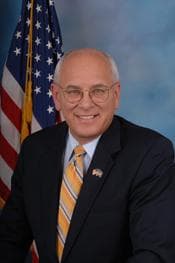
- Introduced
- 3/11/2025
- Last activity
- 3/11/2025 — Referred to the Committee on Energy and Commerce, and in addition to the Committee on Natural Resources, for a period to be subsequently determined by the Speaker, in each case for consideration of such provisions as fall within the jurisdiction of the committee concerned.
- Sponsored by
- Paul Tonko
- Cosponsors
- None
- Introduced
- In Committee
What this bill would do
The SAFE Bet Act of 2025 aims to establish minimum Federal standards for sports wagering across the United States. It creates a system where States must apply to the Attorney General to administer a sports wagering program. The bill includes strict prohibitions on certain types of bets, such as those on amateur or intercollegiate sports. It also implements various consumer protections, including affordability checks and restrictions on marketing. Additionally, the Act focuses on public health by mandating national surveys and a national self-exclusion list.
Yes· 3 of 10
Does this give the federal government more power?+5
The bill grants the Attorney General significant oversight and approval authority over state sports wagering programs.
Does this give people more protection from unfair business practices?+5
The bill implements significant safeguards such as affordability checks, clear odds disclosure, and withdrawal rights.
Would households on low incomes be better off under this?+4
The bill includes affordability checks and limits large deposits to protect low-income individuals.
The opposite
Would business owners be better off under this?-2
The bill imposes new regulatory requirements, marketing restrictions, and affordability standards on operators.
Who it would affect, and how
Potential Positive Impacts for People
-
Consumer Protections: The bill requires sports wagering operators to provide clear information on actual odds and allows individuals to cancel a proposed wager at no cost (Section 103(b)(6)(C)(iii)).
-
Affordability and Financial Safety: Operators are prohibited from accepting credit card deposits and must conduct affordability checks for larger deposits to ensure they do not exceed a certain percentage of monthly income (Section s 103(b)(6)(F)).
-
Gambling Addiction Resources: A portion of revenue must be allocated toward treatment for gambling disorders and education on responsible gaming (Section 103(b)(6)(D)).
-
Self-Exclusion Options: Individuals can restrict themselves from placing sports wagers through a state-level list or a national self-exclusion list (Section 103(b)(6)(A)).
-
Public Health Oversight: The bill mandates an annual nationwide survey to provide data on problem gambling and requires the Surgeon General to report on associated public health challenges (Section 201 and Section 203).
Potential Negative Impacts for People
-
Restrictions on Certain Wagers: The bill prohibits sports wagering on amateur athletic competitions or intercollegiate sports (Section 103(b)(2)(D)).
-
Limitations on Marketing: Marketing for sports wagering cannot be broadcasted between 8:00 am and 10:00 pm local time or during live sporting events (Section 103(b)(7)(C)).
-
Civil Penalties: Individuals who violate the general prohibition on sports wagering may be subject to civil penalties of up to $10,000 or three times the amount of the wager (Section 101(d)(1)).
Groups and Interests Ranking
Every group the model scored this bill for, from -10 to +10. Hover a score for the reason it gave.
- Governance And Ideology
- Increases Federal Power+5Improves Government Transparency+3Improves Privacy Rights+3
- Demographic And Interest Groups
- Good For Low Income Households+4Good For Students+4Good For Native Americans+3Good For Business Owners-2
- Healthcare
- Increases Research Funding+4Improves Mental Health Access+3
- Economy And Finance
- Improves Consumer Protection+5
- Education And Technology
- Improves Data Privacy+4
- 3/11/2025
- Referred to the Committee on Energy and Commerce, and in addition to the Committee on Natural Resources, for a period to be subsequently determined by the Speaker, in each case for consideration of such provisions as fall within the jurisdiction of the committee concerned.
- Introduced in House
One bill Congress.gov lists as related to this one — companions in the other chamber, earlier versions, and bills this one absorbed or was folded into.