Bill · H.R. 206· House(119-HR-206)
Landlord Accountability Act of 2025
- Introduced
- 1/3/2025
- Last activity
- 1/3/2025 — Referred to the Committee on Financial Services, and in addition to the Committees on Ways and Means, and the Judiciary, for a period to be subsequently determined by the Speaker, in each case for consideration of such provisions as fall within the jurisdiction of the committee concerned.
- Sponsored by
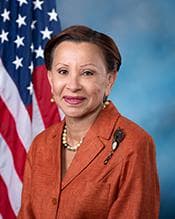
- Nydia Velázquez
- Cosponsors
- - 1 - 0
- Introduced
- In Committee
What this bill would do
The Landlord Accountability Act of 2025 aims to amend the Fair Housing Act to prohibit discrimination based on a person's source of income. This includes protections for those using housing vouchers, Social Security, or other forms of financial assistance. The bill establishes penalties for landlords who intentionally make units unfit for federal assistance or leave units vacant for too long. It also creates new programs for handling tenant complaints and provides tax credits for maintaining low-income housing. Additionally, the act authorizes funding for public awareness and harassment prevention programs.
Yes· 3 of 11
Would households on low incomes be better off under this?+8
The bill prevents discrimination against those using housing vouchers and provides recourse against landlord neglect.
Does this make housing cost less?+7
The bill expands the Fair Housing Act to include source of income protections and provides tax incentives for maintaining low-income units.
Does this narrow racial gaps in how people are treated?+5
By prohibiting source-of-income discrimination, the bill helps protect vulnerable populations often disproportionately affected by housing instability.
The opposite
Would business owners be better off under this?-4
Landlords face significant civil money penalties for intentional neglect or keeping units vacant.
Who it would affect, and how
Potential Positive Impacts for People
-
Expanded Housing Protections: The bill amends the Fair Housing Act to include "source of income" as a protected category, which includes housing vouchers, Social Security, and other government or nongovernment assistance (Section 2(a)).
-
Protection Against Intentional Property Neglect: It prohibits owners from intentionally making a dwelling unit unsafe or uninhabitable to make it ineligible for federal assistance (Section 3(a)).
-
Financial Recourse for Tenants: Tenants who deal with intentional property neglect can sue for damages, including up to $50,000 plus actual costs like replacement housing (Section 3(c)).
-
Increased Accountability for Vacant Units: Landlords of multifamily projects can be fined if they intentionally leave a unit vacant for more than 60 days (Section 4(a)).
-
Better Complaint Resolution: The bill establishes a Multifamily Housing Complaint Resolution Program to help gather information and attempt to resolve complaints through mediation (Section 5(b)).
-
Public Transparency: The Secretary of HUD is required to publicly disclose information regarding complaints, including the nature of the complaint and the property involved (Section 6(a)).
-
Tax Incentives for Maintenance: Landlords can receive a low-income housing maintenance credit for expenses related to maintaining units used by voucher users (Section 7(a)).
-
Tenant Support and Education: The bill authorizes grants for programs designed to protect, assist, or educate tenants against landlord harassment (Section 9(a)).
Potential Negative Impacts for People
-
Financial Penalties for Landlords: Owners may face significant civil money penalties of $100,000 for making units unfit for assistance or for leaving units intentionally vacant (Section 3(b) and Section 4(a)).
-
Mandatory Displays and Potential Fines: Owners of multifamily projects must display specific notices regarding tenant rights, or they may face a penalty of $500 for each day they fail to comply (Section 8(a) and Section 8(c)).
Groups and Interests Ranking
Every group the model scored this bill for, from -10 to +10. Hover a score for the reason it gave.
- Demographic And Interest Groups
- Good For Low Income Households+8Good For Hispanic Americans+4Good For Seniors+4Good For Veterans+4Good For Middle Class Households+2Good For Business Owners-4
- Social Issues And Justice
- Improves Affordable Housing+7Improves Poverty Reduction+5Improves Racial Equity+5
- Economy And Finance
- Reduces Small Business Taxes+4Improves Small Business Support+3
- Governance And Ideology
- Improves Government Transparency+5
- 4/21/2025
- 1 Cosponsor added.
- 1/3/2025
- Referred to the Committee on Financial Services, and in addition to the Committees on Ways and Means, and the Judiciary, for a period to be subsequently determined by the Speaker, in each case for consideration of such provisions as fall within the jurisdiction of the committee concerned.
- Introduced in House
 Adriano Espaillat
Democrat · New York