Bill · H.R. 2053· House(119-HR-2053)
Stop Giving Big Oil Free Money Act
- Introduced
- 3/11/2025
- Last activity
- 3/11/2025 — Referred to the House Committee on Natural Resources.
- Sponsored by
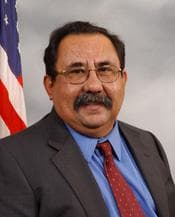
- Raúl Grijalva
- Cosponsors
- None
- Introduced
- In Committee
What this bill would do
The ``Stop Giving Big Oil Free Money Act'' seeks to restrict the issuance of new oil or natural gas leases in the Gulf of Mexico. Under this bill, the Secretary of the Interior would be prohibited from issuing new leases to certain persons unless they renegotiate existing "covered leases." These renegotiations would require the payment of royalties when oil and natural gas prices reach specific thresholds. The bill also regulates the ability of lessees to transfer or sell their interests in these leases. Finally, it provides a mechanism for amending specific leases issued between 1996 and 2000 to include these new price thresholds.
Yes
Does this make the government pay for what it commits to?+5
The bill increases federal revenue by requiring oil and gas lessees to pay royalties when prices reach certain thresholds.
Does this give the federal government more power?+5
The bill expands the regulatory and revenue-collection authority of the Secretary of the Interior over oil and gas lessees.
Does this better protect public land such as parks and forests?+4
The bill increases federal oversight and revenue from resource extraction on public lands in the Gulf of Mexico.
The opposite· 3 of 4
Would business owners be better off under this?-5
Oil and gas companies face higher costs and new restrictions on lease transfers and new issuances.
Does this reduce how much oil, gas and coal is produced?-3
The bill restricts the issuance of new oil and gas leases, which may discourage new production.
Would people in cities be better off under this?-2
Potential increases in energy prices could negatively impact urban residents.
Who it would affect, and how
Potential Positive Impacts for People
-
Requirement of Royalty Payments: The bill requires lessees to modify their payment responsibilities to include royalties when oil and natural gas prices meet or exceed specific price thresholds (Section 2(b)(1)). This ensures that when prices are high, payments are required.
-
Amendment of Older Leases: The Secretary of the Interior is directed to agree to requests to amend specific leases issued between January 1, 1996, and November 28, 2000, to include these new price thresholds (Section 3(a)).
Potential Negative Impacts for People
-
Restrictions on New Leases: The Secretary of the Interior is prohibited from issuing new leases for oil or natural gas production under the Outer Continental Shelf Lands Act to certain persons unless they first renegotiate their existing covered leases (Section 2(b)(1)).
-
Restrictions on Lease Transfers: A person or lessee is prohibited from obtaining a covered lease or any other oil or gas lease in the Gulf of Mexico through sale or transfer—including swaps, spinoffs, or servicing agreements—unless they have renegotiated their existing leases to include the new price thresholds (Section 2(c)).
-
Mandated Price Threshold Changes: Amended leases will be required to impose new or revised price thresholds effective on October 1, 2026 (Section 3(b)).
Groups and Interests Ranking
Every group the model scored this bill for, from -10 to +10. Hover a score for the reason it gave.
- Demographic And Interest Groups
- Good For Business Owners-5Good For Urban Residents-2
- Economy And Finance
- Improves Fiscal Responsibility+5
- Governance And Ideology
- Increases Federal Power+5
- Environment Energy And Infrastructure
- Improves Public Land Management+4Reduces Fossil Fuel Production-3Reduces Gas Prices-2
- 3/11/2025
- Referred to the House Committee on Natural Resources.
- Introduced in House
One bill Congress.gov lists as related to this one — companions in the other chamber, earlier versions, and bills this one absorbed or was folded into.