Bill · H.R. 201· House(119-HR-201)
Federal Employee Performance and Accountability Act of 2025
- Introduced
- 1/3/2025
- Last activity
- 1/3/2025 — Referred to the House Committee on Oversight and Government Reform.
- Sponsored by
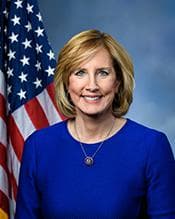
- Claudia Tenney
- Cosponsors
- None
- Introduced
- In Committee
What this bill would do
This bill establishes a 5-year pilot program called the "Federal Employee Performance and Accountability Act of 2025." It creates a performance-based pay structure for certain eligible Federal employees within Executive agencies. The program aims to increase productivity, accountability, and employee satisfaction in public service. Participating agencies will implement tiered salary adjustments based on annual performance metrics. These metrics focus on productivity, quality, and timeliness. The program includes oversight by the Director of the Office of Management and Budget.
Yes· 3 of 4
Does this make the government pay for what it commits to?+3
The program introduces strict performance-based pay to ensure federal funds are used more efficiently.
Does this make what the government does easier for the public to see?+3
The bill requires annual reports on productivity and assessments to be submitted to Congress.
Does this reduce what the federal government spends?+2
The bill seeks to enhance productivity and efficiency within existing agency budgets without requiring additional funds.
The opposite
Would union members be better off under this?-5
The performance-based pay structure may undermine standard civil service pay protections and traditional labor agreements.
Who it would affect, and how
Potential Positive Impacts for People
-
Salary Increases for High Performers: Employees who significantly exceed performance metrics can receive a pay increase of up to 10 percent (Section 5(a)(2)).
-
Bonuses and Flexible Benefits: Agency heads have the discretion to award bonuses to top-tier employees or provide non-monetary benefits like flexible scheduling, telework, and technology upgrades (Section 5(b) and 5(c)).
-
Employee Support and Training: To help staff meet their goals, agencies are required to provide training, resources, and quarterly performance feedback sessions (Section 4(c)).
-
Professional Development for Lower Performers: Employees who do not meet expectations will be provided with training or development opportunities to help improve their performance (Section 5(a)(3)(B)).
Potential Negative Impacts for People
-
Pay Reductions for Lower Performers: Employees who fail to meet established performance metrics will face a 10 percent reduction in their rate of basic pay (Section 5(a)(3)(A)).
-
Loss of Existing Pay Benefits: While participating in this program, employees are no longer eligible for pay adjustments, advancements, or bonuses available under Title 5 of the United States Code (Section 5(d)).
-
Mandatory Participation Limits: Agency heads must ensure that between 1 percent and 10 percent of eligible employees participate in the program (Section 3(b)(1)).
Groups and Interests Ranking
Every group the model scored this bill for, from -10 to +10. Hover a score for the reason it gave.
- Demographic And Interest Groups
- Good For Union Workers-5
- Economy And Finance
- Improves Fiscal Responsibility+3Reduces Government Spending+2
- Governance And Ideology
- Improves Government Transparency+3Increases Federal Power+2
- 1/3/2025
- Referred to the House Committee on Oversight and Government Reform.
- Introduced in House
One bill Congress.gov lists as related to this one — companions in the other chamber, earlier versions, and bills this one absorbed or was folded into.