Bill · H.R. 199· House(119-HR-199)
Implementing DOGE Act
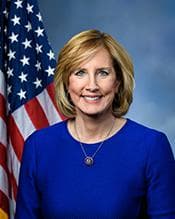
- Introduced
- 1/3/2025
- Last activity
- 1/3/2025 — Referred to the House Committee on Appropriations.
- Sponsored by
- Claudia Tenney
- Cosponsors
- None
- Introduced
- In Committee
What this bill would do
This bill, known as the "Implementing DOGE Act," aims to reduce government spending through across-the-board rescissions. It targets nonsecurity discretionary appropriations for fiscal year 2026 and every year following. The reduction is based on the "excess growth percent," which is any increase in annual appropriations exceeding one percent from the previous fiscal year. These rescissions are applied on a pro rata basis. The bill was introduced by Ms. Tenney and referred to the Committee on Appropriations.
Yes
Does this reduce what the federal government spends?+7
The bill mandates across-the-board rescissions of any nonsecurity discretionary appropriations that exceed one percent growth from the previous year.
Does this reduce what the federal government owes?+5
The bill reduces the federal deficit by rescinding nonsecurity discretionary spending that exceeds one percent growth.
Does this make the government pay for what it commits to?+5
The bill implements a mechanism to cap the growth of nonsecurity government spending.
The opposite· 3 of 7
Would households on low incomes be better off under this?-4
The reduction in nonsecurity discretionary spending may impact social programs that disproportionately benefit minority communities.
Does this put more money into public schools?-4
The rescissions target nonsecurity discretionary appropriations, which include funding for public education.
Would children be better off under this?-3
Reductions in nonsecurity discretionary spending may impact funding for programs benefiting children.
Who it would affect, and how
Potential Positive Impacts for People
- Reduction in Government Expenditures: The bill provides for the rescission of the excess growth percent of nonsecurity discretionary appropriations (Section 2(b)). This is intended to implement decreases in overall government expenditures.
Potential Negative Impacts for People
- Reduction in Nonsecurity Funding: The bill mandates that for fiscal year 2026 and each year after, a portion of nonsecurity discretionary appropriations will be rescinded (Section 2(b)). This applies to any appropriations that exceed the previous year's total by more than one percent.
Groups and Interests Ranking
Every group the model scored this bill for, from -10 to +10. Hover a score for the reason it gave.
- Economy And Finance
- Reduces Government Spending+7Improves Fiscal Responsibility+5Reduces National Debt+5
- Demographic And Interest Groups
- Good For Low Income Households-4Good For Children-3Good For Urban Residents-3Good For Middle Class Households-2Good For Seniors-2
- Education And Technology
- Increases Public School Funding-4
- Social Issues And Justice
- Improves Poverty Reduction-3
- 1/3/2025
- Referred to the House Committee on Appropriations.
- Introduced in House