Bill · H.R. 1892· House(119-HR-1892)
Wireless Electric Vehicle Charging Grant Program Act of 2025
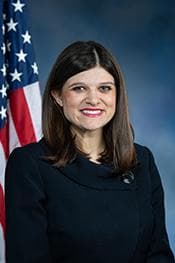
- Introduced
- 3/5/2025
- Last activity
- 3/5/2025 — Referred to the Subcommittee on Highways and Transit.
- Sponsored by
- Haley Stevens
- Cosponsors
- - 4 - 0
- Introduced
- In Committee
What this bill would do
This bill directs the Secretary of Transportation to establish the Wireless Electric Vehicle Charging Grant Program. The program aims to award competitive grants to entities for constructing, installing, or improving wireless charging infrastructure for electric vehicles. These projects can include charging along roads, in parking lots, and at various ports. The Secretary will work in coordination with the Department of Energy to manage these awards. The goal is to advance electric vehicle technology to improve economic competitiveness and reduce reliance on fossil fuels.
Yes· 3 of 19
Does this cut the pollution that drives climate change?+7
The bill prioritizes electric vehicle adoption to cut greenhouse gas emissions and combat the climate crisis.
Is this likely to create jobs?+6
The bill aims to create good-paying jobs through investment in new electric vehicle technologies and domestic supply chains.
Does this better protect air, water and wildlife?+5
Increased electric vehicle use is intended to reduce pollution and improve air quality.
The opposite
No question was scored the opposite.
Who it would affect, and how
Potential Positive Impacts for People
-
Increased Convenience and Range: Wireless charging could provide drivers with convenient opportunities to charge and extend the range of their electric vehicles, helping to reduce "range anxiety" (Section 2, Paragraph 4).
-
Economic Growth and Job Creation: Investing in new technologies and adhering to Buy America requirements can help create good-paying jobs and stimulate economic growth (Section 2, Paragraph 3 and 9).
-
Environmental and Health Benefits: Increased adoption of electric vehicles through these technologies could reduce pollution and increase air quality, particularly for communities near high-traffic routes (Section 2, Paragraph 2).
-
Improved Accessibility: Wireless charging has the potential to make electric vehicles more accessible to all people in the United States, regardless of their physical ability (Section 2, Paragraph 8).
-
Workforce Training: Eligible entities are permitted to use grant funds to cover costs related to training workers to build, install, maintain, or operate the charging projects (Section 5, Paragraph d).
-
Community Engagement: Grants can be used to involve communities and affected workers in the planning and design of these projects (Section 5, Paragraph e).
Potential Negative Impacts for People
- No specific negative impacts are explicitly detailed in the provided text.
Groups and Interests Ranking
Every group the model scored this bill for, from -10 to +10. Hover a score for the reason it gave.
- Environment Energy And Infrastructure
- Reduces Carbon Emissions+7Improves Environmental Protections+5Improves Public Transit+5Increases Renewable Energy Investment+4Reduces Fossil Fuel Production+4Improves Roads And Bridges+3
- Demographic And Interest Groups
- Good For People With Disabilities+5Good For Union Workers+5Good For Business Owners+3Good For Low Income Households+3Good For Urban Residents+3
- Economy And Finance
- Increases Job Creation+6Improves Economic Growth+5Improves Union Protections+4Improves Consumer Protection+2
- Social Issues And Justice
- Improves Disability Rights+5
- Education And Technology
- Increases Scientific Research Funding+4
- Governance And Ideology
- Improves Government Transparency+2Increases Federal Power+2
- 2/24/2026
- 1 Cosponsor added.
- 3/5/2025
- Referred to the Committee on Energy and Commerce, and in addition to the Committee on Transportation and Infrastructure, for a period to be subsequently determined by the Speaker, in each case for consideration of such provisions as fall within the jurisdiction of the committee concerned.
- Referred to the Subcommittee on Highways and Transit.
- 3 Cosponsors added.
- Introduced in House
 Nanette Barragán
Democrat · California
 Debbie Dingell
Democrat · Michigan
 Madeleine Dean
Democrat · Pennsylvania
 Dina Titus
Democrat · Nevada